Wondering what it’s really like to live in Glendora? If you want more breathing room, established neighborhoods, and easier access to both trails and daily conveniences, Glendora often stands out for a reason. This guide will help you understand the city’s foothill lifestyle, housing mix, and day-to-day rhythm so you can decide if it feels like the right fit for your next move. Let’s dive in.
What Living in Glendora Feels Like
Glendora is often described by the city as the “Pride of the Foothills,” and that setting shapes the experience of living here. Located at the base of the San Gabriel Mountains along historic Route 66, Glendora feels more like a mature suburban foothill community than a dense urban environment. For many buyers, that means a quieter pace and a stronger sense of neighborhood continuity.
The city reports a population of 52,558 and 18,637 housing units. You will also find a recognizable historic core, a downtown Village area, and long-established residential streets that reflect the city’s earlier growth patterns. That mix gives Glendora a lived-in, rooted feel that many people appreciate when comparing it with busier parts of Los Angeles County.
Downtown Glendora and the Village
One of the biggest lifestyle highlights is the Downtown Village. According to the city, this area features owner-operated retail and serves as a central part of Glendora’s identity. If you enjoy having a traditional downtown district rather than only large commercial corridors, this can be a meaningful part of daily life.
The Village also connects to Glendora’s historic character. The city notes a designated Historic District near downtown, along with nearby bungalows and other early neighborhoods documented in a historic resource survey. For buyers, that often translates into more visual variety, older architectural details, and a stronger sense of place than you might find in a newer master-planned area.
Outdoor Lifestyle in Glendora
If access to the outdoors matters to you, Glendora offers more than many suburban markets. The city says there are about 19 miles of hiking, equestrian, and multi-use trails within city limits. That is a major lifestyle advantage for residents who want recreation close to home.
Two key trail areas shape that experience: Big Dalton Canyon Wilderness Area and South Hills Wilderness Area. Big Dalton sits in the foothills of the Angeles National Forest, while South Hills is more centrally located and can be accessed from South Hills Park or under the 210 Freeway. In practical terms, that gives you options for everything from a quick outing to a more scenic foothill escape.
Why trail access matters
For many buyers, outdoor access is not just a bonus. It can shape your routine, your weekends, and how connected you feel to where you live. In Glendora, the foothill setting is not just a backdrop. It is part of the day-to-day appeal.
That can be especially appealing if you are leaving a denser neighborhood and want a little more balance. You still have access to regional connections, but you also gain a setting that feels more open and relaxed.
Homes in Glendora: What You Can Expect
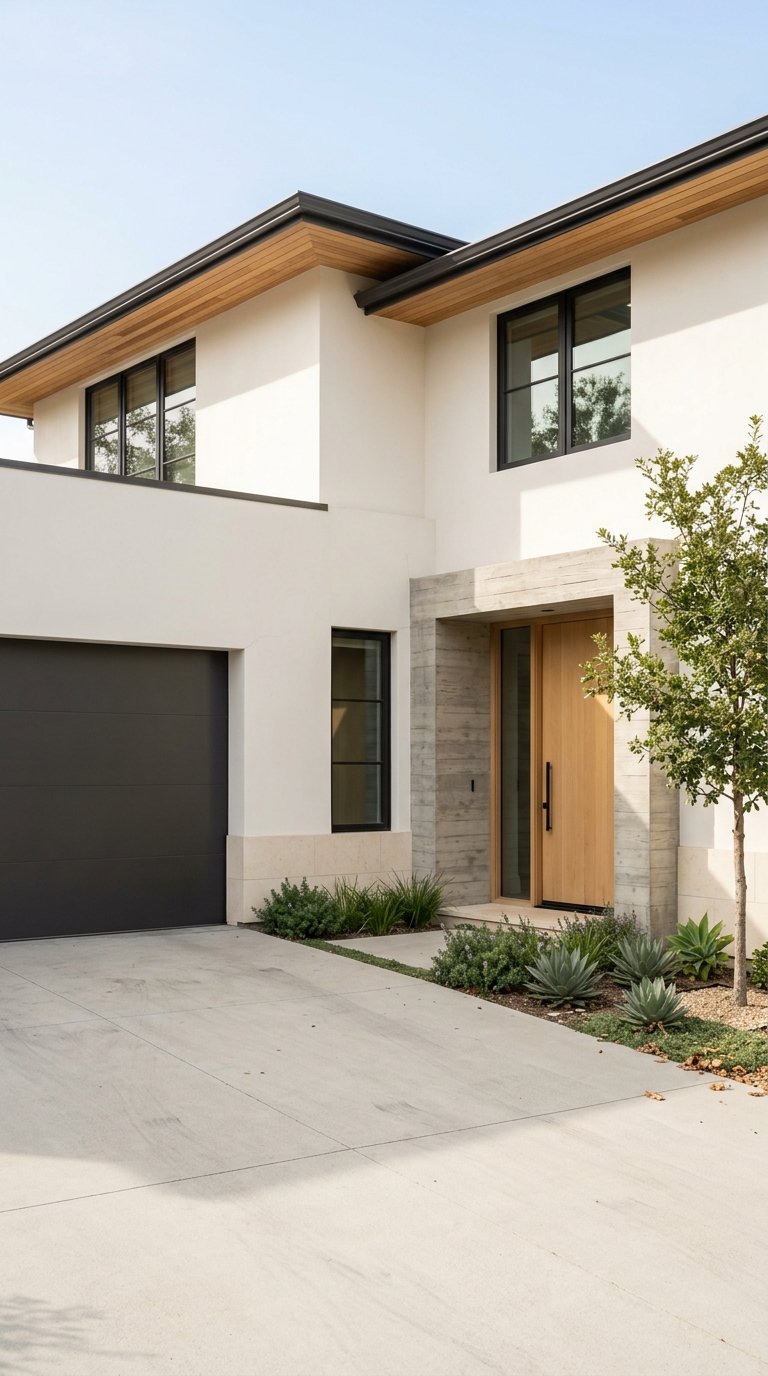
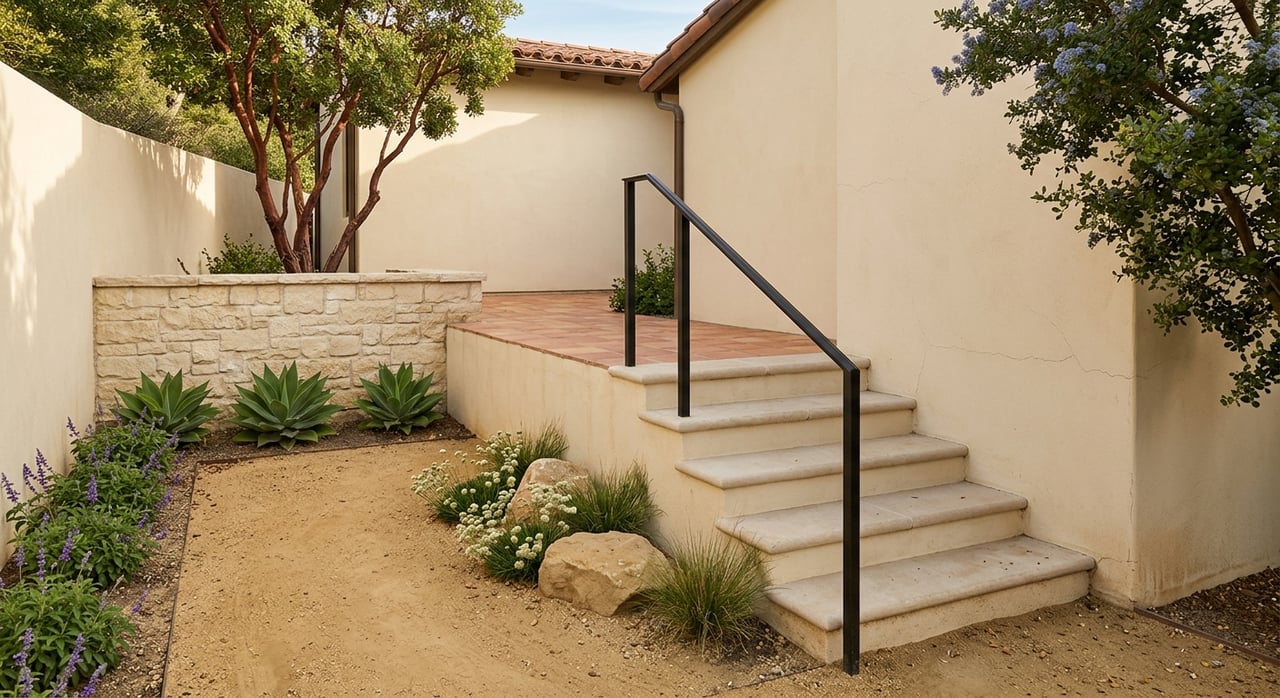
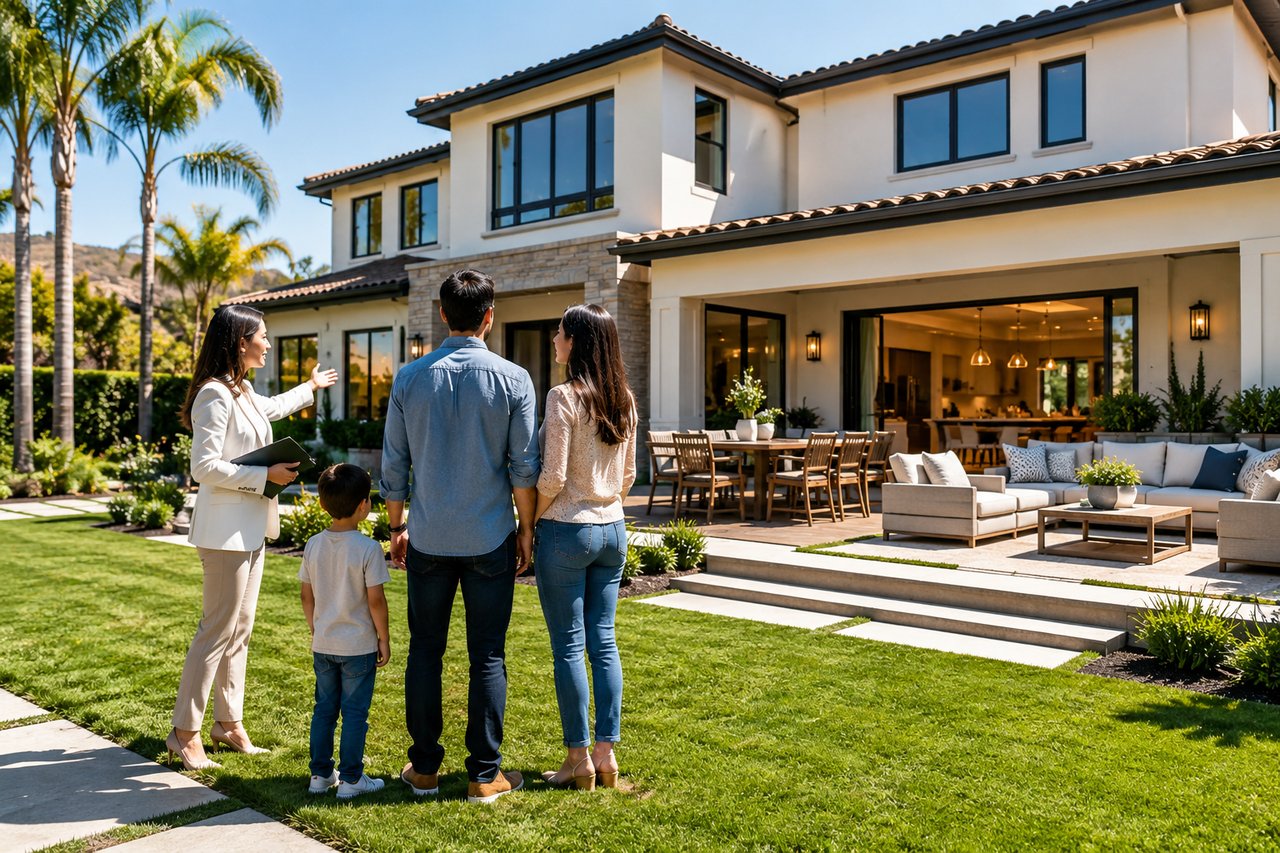
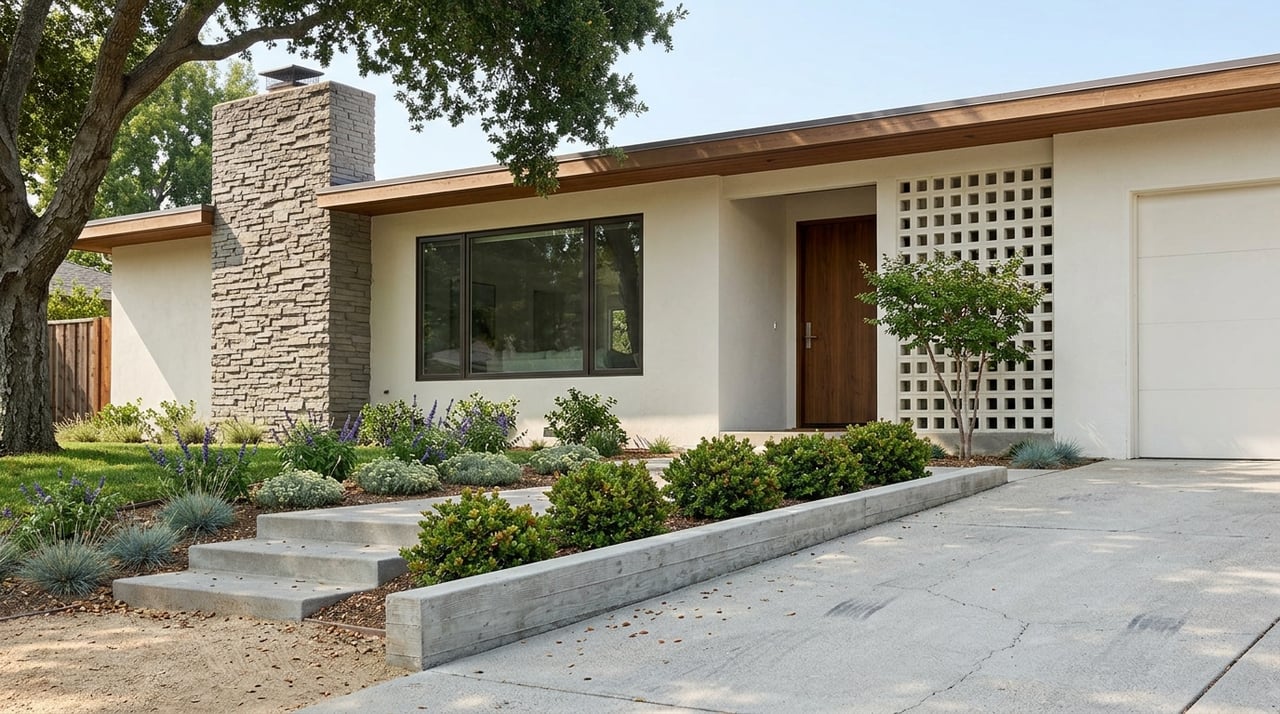
Glendora’s housing stock is one of its most distinctive features. The city describes a broad mix that includes turn-of-the-century cottages, bungalows near the Village, 1950s and 1960s subdivisions, and executive hillside estates. For buyers, that means you are not shopping in a one-note market.
This variety can be a real advantage if you have a specific lifestyle or design preference. You may find older homes with character, more traditional suburban layouts with yard space, or hillside properties with a different level of privacy and setting. The right fit often depends on whether you value charm, remodel potential, lot size, or elevation.
Most homes are older
If you are looking in Glendora, it helps to understand the age of the housing supply. In the city’s 2021-2029 Housing Element, Glendora reports that about 89% of its housing was over 30 years old, and 65% was over 50 years old. The largest share of housing was built in the 1950s, with 5,883 units from that decade.
That tells you something important about the market. Older housing is the norm here, not the exception. In many cases, buyers are drawn to established neighborhoods, mature lots, and the opportunity to update a home over time.
Newer housing exists, but it is selective
While Glendora does have some newer development, it is not a market defined by large waves of brand-new subdivisions. The city’s development pipeline points to selective new supply, including attached condos and detached homes. At the same time, Glendora’s economic planning describes the city as mostly built out.
That matters if your search is focused on new construction. You may find newer infill opportunities, especially near key corridors, but you should not expect a huge volume of brand-new inventory. Glendora tends to appeal more to buyers who are comfortable considering established homes alongside limited new options.
Who Glendora May Fit Best
Glendora can be a strong match if you want a suburban foothill setting with a historic downtown, outdoor access, and a range of home styles. It may also work well if you are planning long term and see value in an older home, larger lot, or neighborhood with a more established feel. For many households, that combination supports both lifestyle and future flexibility.
It may be a less natural fit if your top priority is a highly urban, walk-everywhere environment. Outside of its Village and transit nodes, Glendora still functions in a way that is shaped heavily by cars and regional road access. Buyers who want dense city living or large amounts of new inventory may prefer a different kind of market.
Commuting and Getting Around Glendora
Glendora has stronger transportation access than some foothill communities. The city sits near the 210 and 57 freeway corridors, which helps with regional travel across this part of Southern California. For many residents, that freeway access remains central to the way they move around for work, errands, and weekend plans.
Transit options have also improved. The city says the Glendora Station opened in 2025, offering Metro A Line service with trips to Pasadena in under 30 minutes and Union Station in under an hour. The city also notes local options such as an A Line commuter shuttle, Dial-A-Ride, and shuttle services.
Is Glendora car-dependent?
In everyday terms, Glendora is still fairly car-oriented, especially outside the Village and transit-linked areas. But the addition of the A Line and shuttle options gives residents more flexibility than before. If you want a suburb with improving transit access, Glendora has a practical edge worth noting.
That can be especially useful if your routine includes trips into Pasadena or downtown Los Angeles. While not every household will rely on rail, having that option expands how you can think about commuting and regional access.
Schools and Local Options
Glendora Unified is the primary public school district serving the city. According to the district, it includes five elementary schools, two middle schools, two high schools, Tiny Tartans Preschool, and programs such as Dual Language Immersion, AVID, and Visual & Performing Arts. The city also notes that Glendora includes both public and private school options.
For buyers, the key takeaway is that the city offers a range of education settings and programs within the local area. If schools are part of your home search, it is helpful to review attendance boundaries, program availability, and current enrollment details as part of your decision-making process.
Why Buyers Keep Glendora on Their List
Glendora stands out because it combines several qualities that are hard to find together. You get a foothill setting, an identifiable downtown, strong trail access, and a broad range of home types in one established community. That combination can support very different goals, from finding a classic mid-century home to searching for a hillside property with more space and privacy.
For many buyers, the appeal is not about one headline feature. It is about balance. Glendora offers a more relaxed suburban feel while still keeping you connected to major freeway routes, local services, and now expanded rail access.
If you are exploring Glendora, it helps to look beyond just square footage or price point. The real question is how you want to live day to day, and whether Glendora’s foothill character, housing mix, and pace match that vision.
If you want a more personalized look at Glendora homes, neighborhood patterns, or private opportunities that may fit your goals, connect with Country Queen Real Estate.
FAQs
What is daily life like in Glendora, California?
- Glendora feels like a mature suburban foothill community with a historic downtown Village, established neighborhoods, and access to trails within the city.
What types of homes are common in Glendora?
- Glendora includes cottages, bungalows near the Village, many 1950s and 1960s subdivisions, and some executive hillside estates.
Are most homes in Glendora older or newer?
- Most homes are older. The city reports that about 89% of the housing stock is over 30 years old, and 65% is over 50 years old.
Is there new construction in Glendora?
- There is some selective newer infill, including attached condos and detached homes, but Glendora is mostly built out and does not have a large supply of brand-new subdivisions.
Can you commute from Glendora without only using a car?
- Yes, to a degree. Glendora has access to the Metro A Line, a commuter shuttle, Dial-A-Ride, local shuttle services, and major freeway corridors including the 210 and 57.
Does Glendora have hiking and outdoor recreation?
- Yes. The city says Glendora has about 19 miles of hiking, equestrian, and multi-use trails, including areas in Big Dalton Canyon and South Hills.
What should homebuyers know before moving to Glendora?
- You should expect an established community with older housing, a mix of architectural styles, strong outdoor access, and a lifestyle that is more suburban than urban.