What makes a Diamond Bar view home truly worth it? It is not just a dramatic sunset or a wide hillside backdrop. In Diamond Bar, the best view purchase is usually the one that balances scenery, privacy, maintenance, and long-term durability. If you are thinking about buying a view property here, understanding how the lot, slope, and surrounding land work together can help you make a smarter move. Let’s dive in.
Why Diamond Bar view homes feel different
Diamond Bar’s view-home market is shaped heavily by its terrain. According to the city’s General Plan, Diamond Bar is largely built out, with a strong focus on preserving major open-space areas like Tonner Canyon and Tres Hermanos Ranch.
That matters because a “view home” in Diamond Bar is not one simple category. Two homes on nearby streets can offer very different sightlines, privacy levels, and exposure based on where the house sits on the parcel and how the hillside drops or rises around it.
The city also notes that many homes are located at the top or base of privately owned hillsides. For you as a buyer, that means the quality of the view can change quickly from one lot to the next, even within the same tract.
Common Diamond Bar view types
Ridge and hillside views
Some of Diamond Bar’s most recognizable outlooks come from elevated ridge areas. The city’s Summitridge Park Trail includes routes with grades up to 29%, which shows just how quickly elevation can open up broader views across the city.
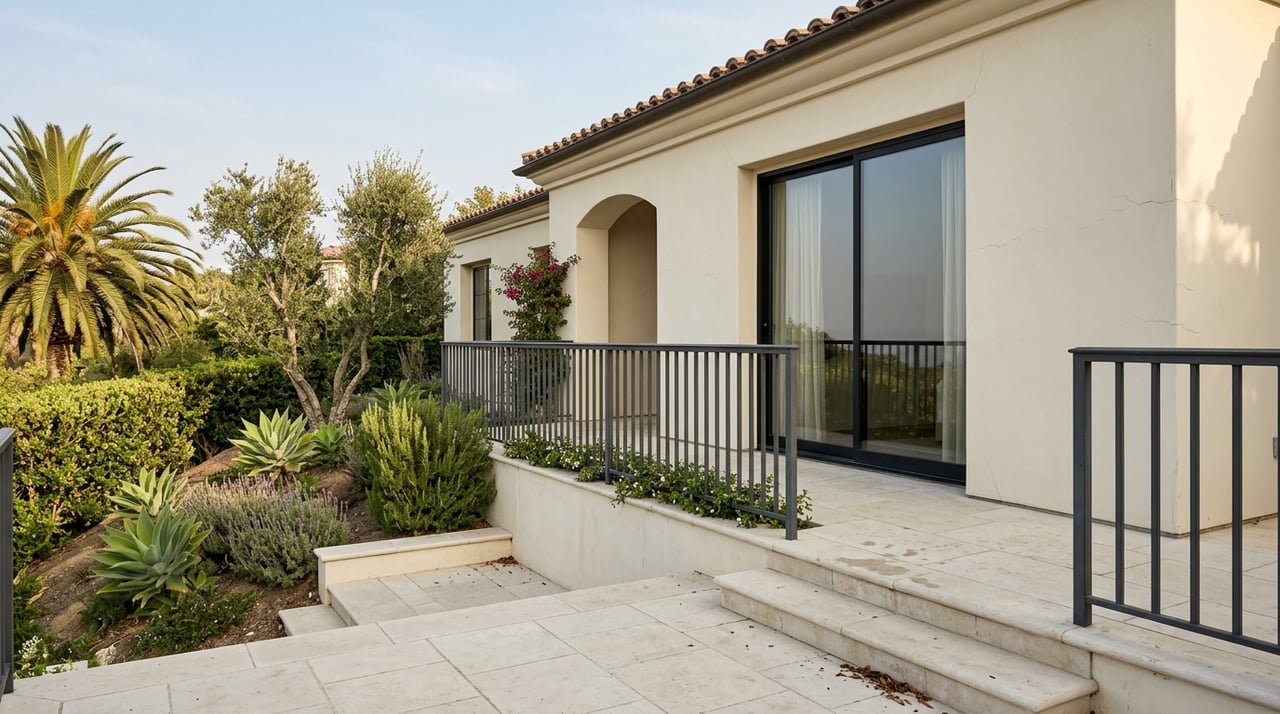
For buyers, ridge and hillside views can feel expansive and private. At the same time, those lots may also come with steeper terrain and more upkeep than flatter suburban parcels.
Canyon and open-space views
Diamond Bar’s trail system moves through open-space corridors and utility easements, so many homes look out over canyon land rather than rows of rooftops. These views often feel more natural and less boxed in.
When a home overlooks open space, the experience can be very different from a standard neighborhood-facing lot. Still, you will want to confirm exactly what land sits beyond the property line and how that land is designated.
Golf-course views
The county-operated Diamond Bar Golf Course is another well-known view feature in the area. It is an 18-hole course with rolling terrain, mountain vistas, and a lake, which makes golf-oriented outlooks a recognizable part of the local market.
A golf-course view can offer openness and a more polished visual setting. But as with any view lot, the value depends on the exact angle, privacy, and how the living spaces connect to the outlook.
How views can affect home value
Scenic views often contribute to home value, but the premium is highly specific to the property. Appraisal research shows that neighboring homes can have very different view corridors, and stronger views generally command stronger premiums.
The same research suggests a common hierarchy: no view, then open-space views, then golf-course views, with more dramatic or durable outlooks often carrying more appeal. Still, market rankings and formal view ratings do not always line up perfectly.
In Diamond Bar, that means you should be careful about paying only for the panorama. A view may feel premium today, but its long-term value depends on whether it is durable, how private it feels, and what future change could affect it.
Why durability matters more than drama
A sweeping view can be exciting during a showing, but a durable view is often more important than the biggest visual moment. If the outlook is over preserved open space, it may feel more stable than a view over land that could change later.
Diamond Bar’s planning policies favor preserving hillsides and large open-space tracts, which can support the long-term appeal of certain view settings. Even so, the lot geometry still matters, and there is no substitute for evaluating the exact parcel in front of you.
This is one reason experienced local guidance matters so much with view properties. A polished listing may highlight the scenery, but your decision should also account for how lasting and manageable that view really is.
What daily life looks like on a view lot
Slope and drainage responsibilities
Hillside homes often require more active care than flat-lot homes. The City of Diamond Bar states that homeowners are responsible for maintaining proper drainage systems on their property, including drainage that may cross multiple lots, and the city identifies water as a major cause of slope instability.
The city also advises owners to watch for signs such as standing water, erosion, cracks, slumping, tilting walls or fences, and broken irrigation lines. If you are buying a home with a slope behind or below it, these are not minor details. They are part of how you protect the property over time.
Some slopes are maintained by an HOA or a Lighting and Landscape Assessment District, but not all are. Before you make an offer, confirm exactly who is responsible for drainage devices, brush clearance, retaining walls, and slope maintenance.
Terrain and upkeep
Steeper terrain can create beautiful views, but it can also increase the amount of upkeep a property needs. Diamond Bar’s own trail descriptions mention steep grades and erosion-prone surfaces in some hillside areas, which is a good reminder that slope-adjacent homes may require more attention.
That can include landscaping, erosion control, irrigation monitoring, and general exterior maintenance. If you are comparing a flat-lot home to a ridge or canyon-facing property, it is wise to weigh the lifestyle benefit against the added responsibility.
Improvement plans and permits
If you hope to enhance the property after closing, make sure you understand local permit requirements. In Diamond Bar, permits are required if you plan to add a deck, retaining wall, grading, or other exterior improvements.
For projects that may disturb land, erosion and runoff review may also come into play. In other words, not every outdoor improvement idea is simple on a hillside lot, even when the view potential is strong.
Wildfire and hazard review should happen early
Wildfire is a real part of the conversation for many Diamond Bar view homes. The city explains that much of Diamond Bar borders open space, native landscape, or grassy hills, and that fire hazard mapping is based on terrain, vegetation, fire history, climate, and weather.
The city also notes that many homes were built with older wood shingle roofs, which can be more vulnerable in windy fire conditions. If you are looking at an older view property, this is worth reviewing early in the process.
California disclosure rules add another important layer. The Natural Hazard Disclosure statement can identify whether a home is in areas tied to flood, dam inundation, fire hazard, earthquake fault, or seismic hazard concerns.
For homes built before January 1, 2010 in high or very high fire hazard severity zones, sellers must also provide an additional wildfire disclosure notice that identifies possible vulnerabilities and completed low-cost retrofits. Treat these disclosures as the beginning of your due diligence, not the end of it.
A smart buyer checklist for Diamond Bar view homes
Before you move forward on a view property, focus on the issues that affect both lifestyle and long-term ownership.
- Map the actual view corridor. Find out whether the outlook is over protected open space, golf land, or land that could change later.
- Stand in the key living spaces. Check the view from the kitchen, primary bedroom, patio, and yard, not just from one staged angle.
- Test privacy carefully. Nearby homes may have very different sightlines depending on lot shape and elevation.
- Confirm slope and drainage responsibility. Ask whether maintenance falls to you, an HOA, or another district.
- Review hazard disclosures early. Request the natural hazard disclosure packet and check current fire hazard information.
- Budget for upkeep. Older roofs, exposed slopes, and vegetation management can add long-term cost.
- Ask about future improvements now. If you want to build a deck, wall, or major hardscape feature, verify permit requirements before you buy.
How to compare two view homes wisely
When buyers compare view homes, it is easy to focus on the widest panorama. A better approach is to compare each home across several practical categories.
| Factor | Home A question | Home B question |
|---|---|---|
| View durability | What land does it overlook? | What land does it overlook? |
| Privacy | Can neighbors see into main rooms or yard? | Can neighbors see into main rooms or yard? |
| Maintenance | Who handles slope, drainage, and retaining features? | Who handles slope, drainage, and retaining features? |
| Hazard exposure | What do the disclosure materials show? | What do the disclosure materials show? |
| Improvement potential | What exterior changes may need permits? | What exterior changes may need permits? |
This kind of side-by-side review can help you avoid overpaying for a view that looks impressive in photos but creates more uncertainty after closing.
The best Diamond Bar view home is balanced
In Diamond Bar, the strongest view home is rarely just the one with the biggest horizon line. It is usually the one that combines a meaningful outlook with privacy, manageable maintenance obligations, and a clear understanding of slope, drainage, and hazard exposure.
That is where local knowledge becomes especially valuable. When you are evaluating view properties, a careful, parcel-level review can reveal the difference between a home that simply looks good and one that truly fits your goals for the long term.
If you are exploring Diamond Bar view homes and want experienced, local guidance on what to look for, connect with Country Queen Real Estate for a personalized consultation.
FAQs
What makes a Diamond Bar view home different from other hillside homes?
- Diamond Bar view homes are shaped heavily by local topography, preserved open-space areas, and parcel-specific sightlines, so two nearby homes can offer very different views, privacy, and maintenance needs.
What types of views are common in Diamond Bar homes?
- Common view types in Diamond Bar include ridge and hillside views, canyon and open-space views, and golf-course views near the Diamond Bar Golf Course.
How should buyers evaluate a Diamond Bar view from inside the home?
- You should test the view from the spaces you will use most, including the kitchen, primary bedroom, patio, and yard, because the best photo angle may not reflect daily living.
What maintenance issues matter most with Diamond Bar hillside homes?
- Drainage, erosion, slope care, irrigation leaks, retaining features, and brush clearance are key issues to review, along with who is responsible for maintaining them.
What disclosures should buyers review for a Diamond Bar view property?
- Buyers should review the Natural Hazard Disclosure statement and, when applicable, the additional wildfire disclosure notice required for certain older homes in high or very high fire hazard severity zones.
Do Diamond Bar view homes need permits for outdoor improvements?
- Yes, Diamond Bar requires permits for projects such as decks, retaining walls, grading, and other exterior improvements, and some work may also require erosion or runoff review first.