If you price your Walnut home based on wishful thinking, you may end up helping the next seller look like the better deal. In today’s market, buyers are still active, but they are also more selective, especially at Walnut’s price point. The good news is that a smart pricing strategy can help you attract serious interest, protect your negotiating position, and avoid the drag of sitting too long. Let’s dive in.
Why pricing matters in Walnut
Walnut is a high-value market, but that does not mean every home can command any number. As of spring 2026, Zillow’s typical home value for Walnut was about $1,195,691, Redfin’s median sale price for April 2026 was $1,459,246, and Realtor.com’s median listing price in March 2026 was $1,488,800. Those numbers differ because they measure different things, which is exactly why pricing a home takes more than picking one online estimate.
Walnut also appears more selective than chaotic. Redfin described the market as somewhat competitive, with homes receiving about four offers on average and taking 53 days to sell, while Realtor.com called it a balanced market with a 99% sale-to-list ratio and the same 53 median days on market. That tells you buyers are paying close attention to value.
What today’s Walnut market means for sellers
A balanced-to-somewhat-competitive market creates opportunity, but it also rewards precision. About 29.3% of Walnut homes sold above list price, according to Redfin, yet 17.8% had price drops. In other words, strong homes can still perform well, but overpricing is not being ignored.
This matters even more because Walnut sits far above the broader California median listing price of $739,000 reported by Realtor.com for March 2026. At this higher price tier, buyers tend to compare homes carefully, weigh monthly payments closely, and expect the list price to reflect real market value. With mortgage rates still elevated, that pricing discipline becomes even more important.
Freddie Mac reported a 30-year fixed rate of 6.53% on May 28, 2026, and NAR reported a 6.33% average for April 2026. You do not need a frenzy to sell well in Walnut, but you do need to respect buyer affordability. Even well-qualified buyers are doing the math.
How strategic pricing really works
The strongest list price is usually built from three things: comparable sales, current market conditions, and your home’s condition. That means recent closed sales should carry more weight than a neighbor’s asking price or a single automated value estimate. A strategic price reflects what buyers have actually paid, not just what sellers hope to get.
This is especially important in Walnut because the market is close to a 100% sale-to-list environment. When that happens, smaller differences can shape value in a meaningful way. Square footage, lot size, layout, views, finish level, and overall upkeep can all affect how buyers compare your home to the competition.
You also need to account for active competition. Zillow showed 47 homes for sale in Walnut on April 30, 2026, while Realtor.com showed 117 listings in March 2026, up 74.24% year over year. Even though the counts vary by source and date, the message is the same: buyers have options.
Why overpricing can cost you more
One of the most common pricing mistakes is assuming you can start high and reduce later if needed. In practice, that approach often creates stale market time and weakens your position. Buyers may wonder what is wrong with the home when the real issue is simply the price.
That risk is not theoretical. Redfin reported that 35.4% of U.S. home sellers cut their asking price in April 2026, and the average cut among sellers who reduced price was $40,915. Redfin also noted that overpricing by 10% or more can add more than a month to market time.
In Walnut, where the median days on market is already around 53, adding extra time can be costly. A listing that lingers may miss the strongest window of attention, which is often when buyers and agents are most alert to a new opportunity. Strategic pricing is not about leaving money on the table. It is about protecting momentum.
Condition still shapes your final number
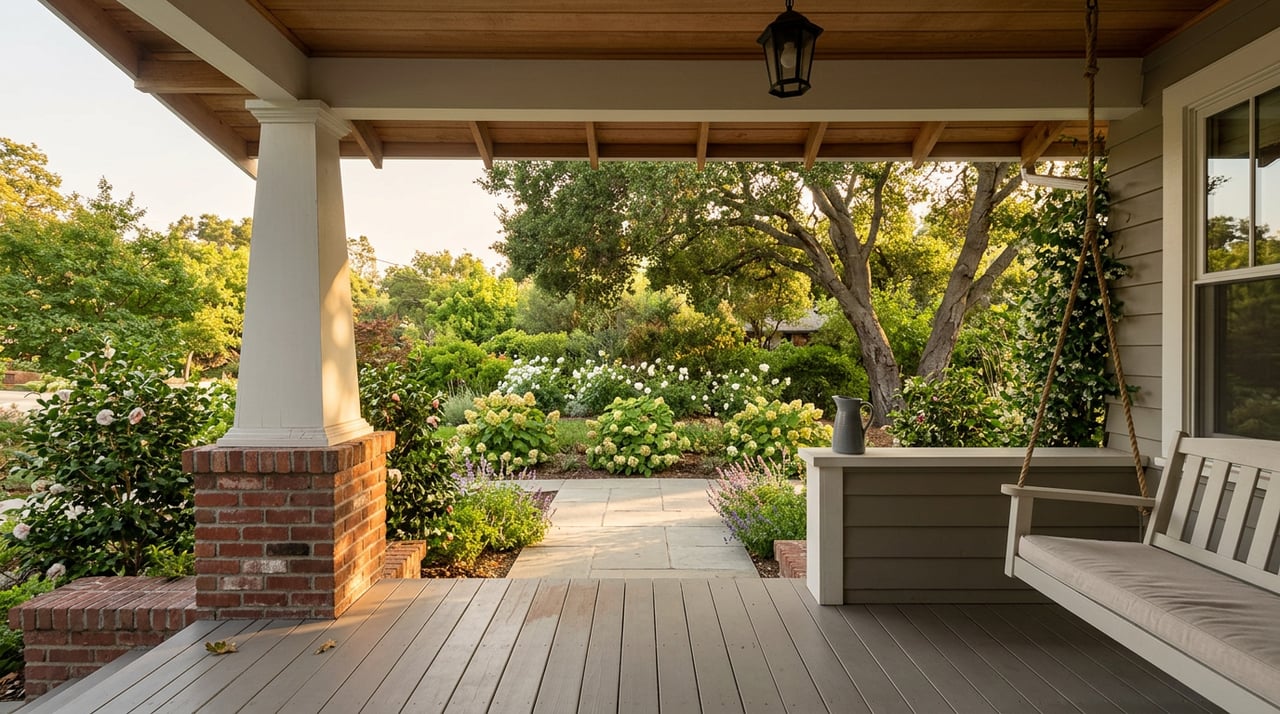
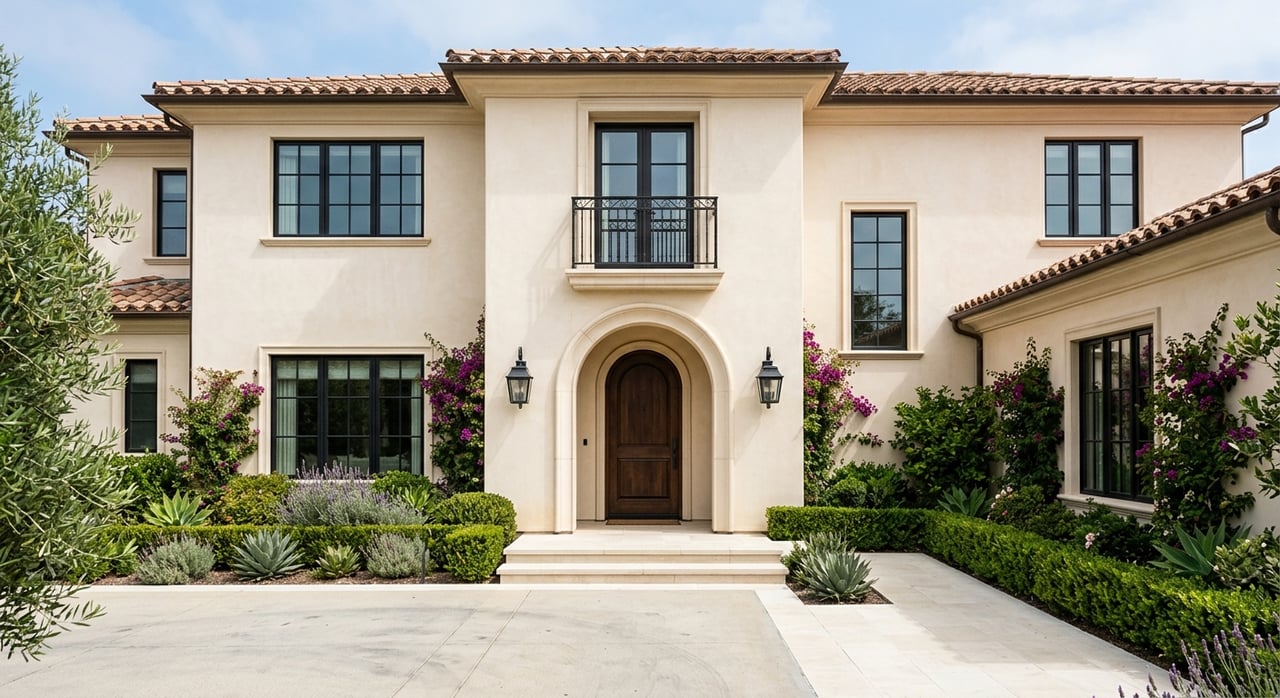
Pricing and presentation work together. Even in a balanced market, buyers react quickly to homes that feel well cared for, move-in ready, or visually appealing from the start. That is one reason curb appeal remains so important.
In NAR’s 2025 Remodeling Impact Report on outdoor features, 97% of members said curb appeal is important in attracting a buyer, and 92% said they recommend improving curb appeal before listing. That does not mean you need a major overhaul. It means first impressions matter, and simple exterior improvements can support a stronger pricing strategy.
JLC’s 2025 Cost vs. Value analysis found that exterior replacement projects led many of the highest-return categories, including garage doors, steel entry doors, siding, and manufactured stone veneer. The report also noted that the Pacific region had the highest average return. If you are deciding where to spend before listing, exterior improvements may deserve a closer look than a highly customized interior remodel.
Which upgrades help, and which may not
Not every project adds equal resale value. Minor kitchen updates can still be worthwhile, but larger and more personalized kitchen or bath renovations often recover less because they cost more and may appeal to a narrower group of buyers. In a market like Walnut, buyers often pay for clean condition, functionality, and strong presentation, but not always for expensive personal taste.
That is why pre-listing preparation should be tailored to your home. The right plan depends on design, materials, age, and current condition. A strategic seller focuses on improvements that help the home compete clearly in its price band rather than assuming every dollar spent will come back at closing.
Pricing myths Walnut sellers should ignore
Myth 1: Start high and negotiate down
This sounds safe, but it often backfires. In a market where homes take about 53 days to sell and price reductions happen regularly, a high starting price can reduce early interest and make later cuts more painful. Pricing for today’s market usually puts you in a stronger position than pricing for a market you hope appears later.
Myth 2: Every upgrade pays for itself
The data does not support that idea. Exterior and curb-appeal projects often offer better resale return than major interior overhauls, especially highly customized ones. Buyers want value, not just expense.
Myth 3: A desirable location guarantees any price
Walnut is a sought-after market, but it is not an automatic one. Redfin’s data shows a somewhat competitive environment, not a market where every listing flies off the shelf above asking. Well-priced homes can move efficiently, while aspirational pricing can stall.
Myth 4: An online estimate is enough
Automated valuations can be useful starting points, but they are not pricing strategies. When Walnut’s typical value, median sale price, and median list price all vary significantly by source, it is clear that one number alone cannot tell the full story. Your home needs to be evaluated against recent comps and adjusted for its specific strengths and weaknesses.
A smarter way to price your Walnut home
If you want to price strategically, think like the buyer while relying on local data. Look at recent closed sales first, then compare your home’s condition, location, lot, layout, and finishes against the active competition. From there, choose a number that is credible, competitive, and aligned with how buyers are behaving right now.
This is where experienced guidance matters. In a market like Walnut, a few percentage points can mean a meaningful difference in both timing and net proceeds. A thoughtful pricing strategy can help you enter the market with confidence instead of chasing it after launch.
At Country Queen, we believe pricing is not a shortcut or guess. It is a consultative process built around local market knowledge, careful positioning, and the kind of detail that helps your home stand out for the right reasons. If you are thinking about selling in Walnut, schedule a free consultation with Country Queen Real Estate.
FAQs
How should you price a home in Walnut, CA in today’s market?
- Start with recent comparable sales, then adjust for your home’s condition, size, lot, layout, and current competition rather than relying on one online estimate.
Is Walnut, CA a seller’s market or a buyer’s market right now?
- Walnut appears balanced to somewhat competitive, with about a 99% sale-to-list ratio, around 53 median days on market, and some homes still receiving multiple offers.
Do price cuts happen often for Walnut, CA homes?
- Yes, price drops do happen, and Redfin reported that 17.8% of Walnut homes had price drops, which shows why accurate pricing from the start matters.
What upgrades help most before selling a Walnut, CA home?
- Data suggests curb appeal and exterior improvements often provide stronger resale return than large, highly customized interior remodels.
Should you rely on Zillow to price your Walnut, CA home?
- Zillow can be a helpful starting point, but it should not be your only pricing tool because Walnut’s value metrics vary significantly across Zillow, Redfin, and Realtor.com.