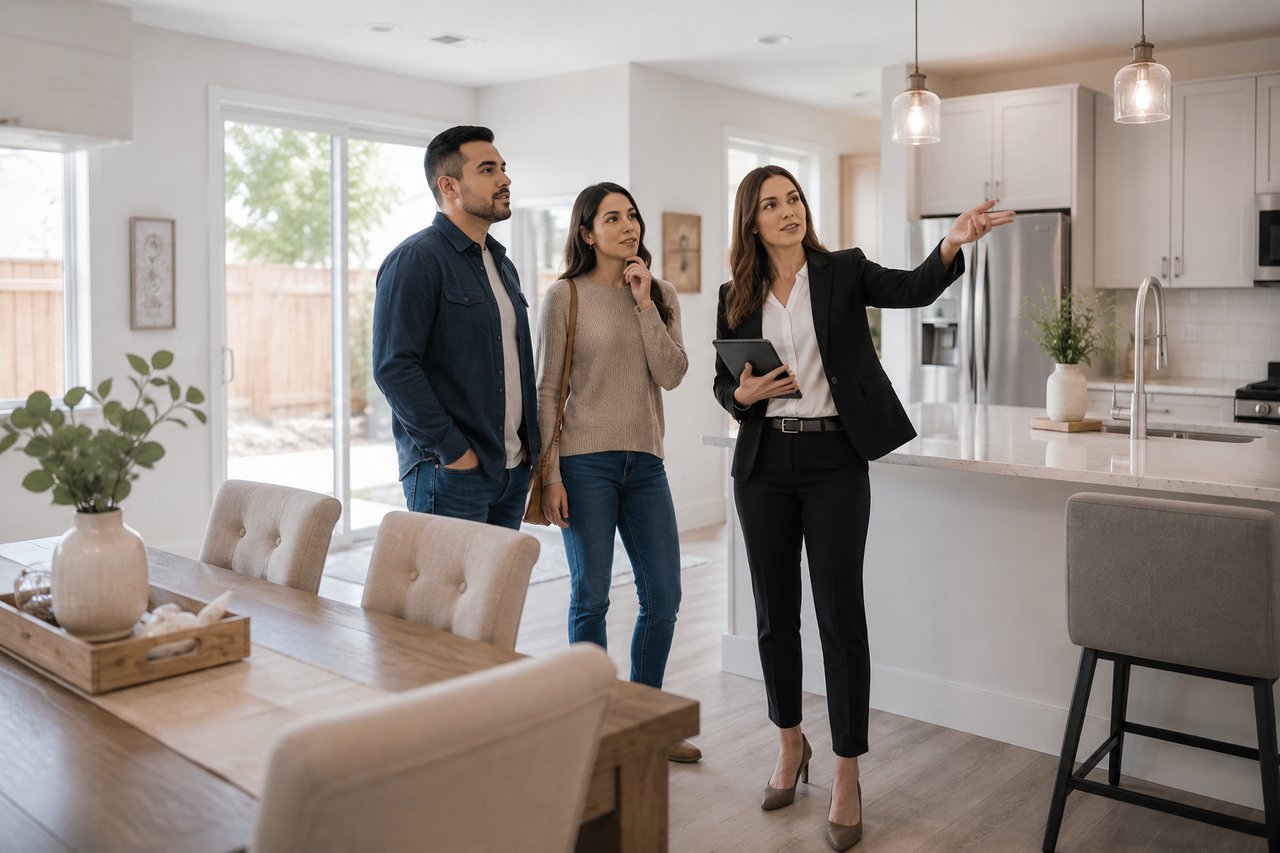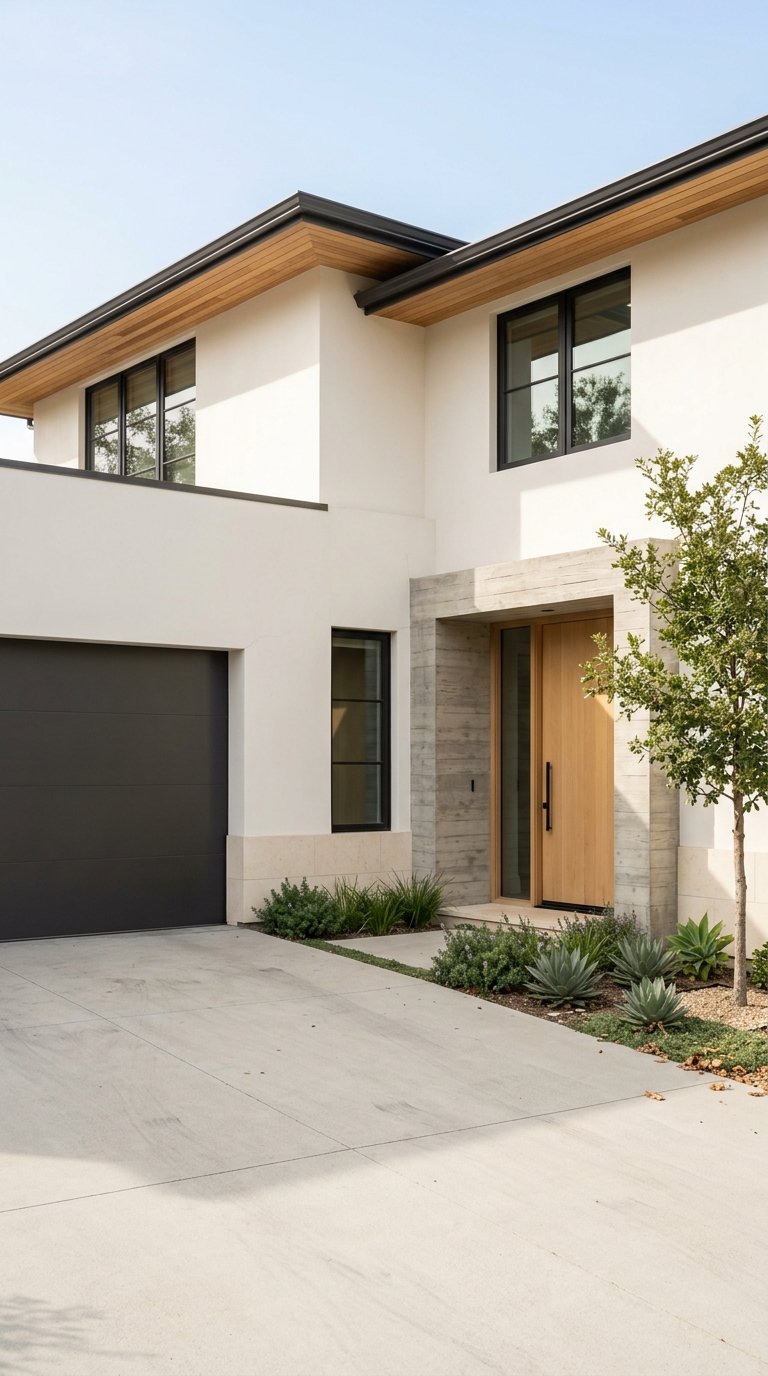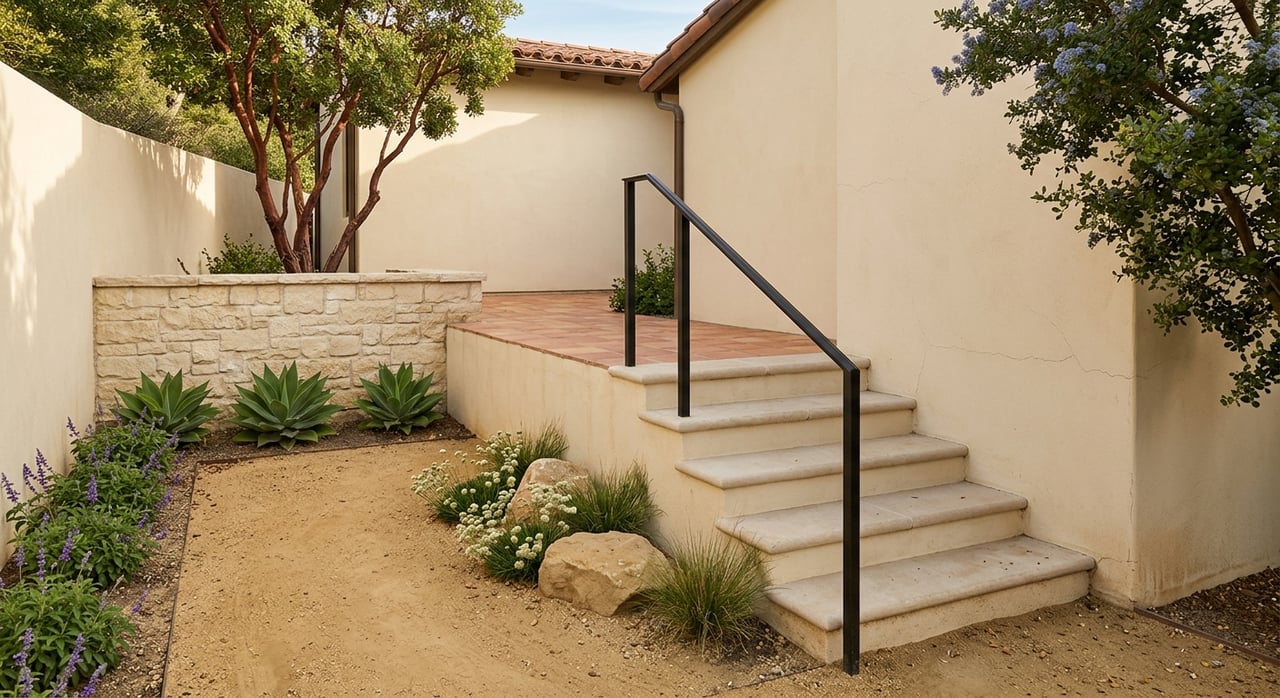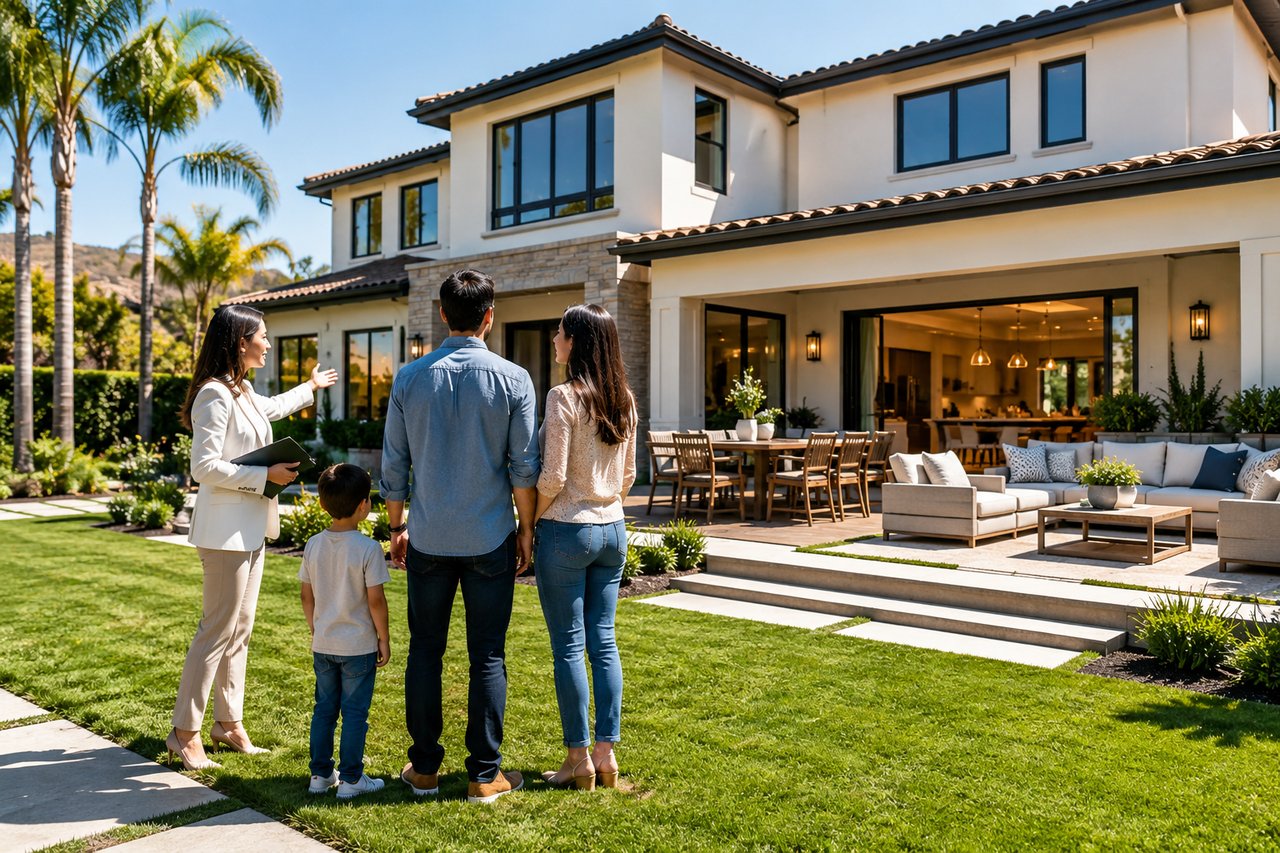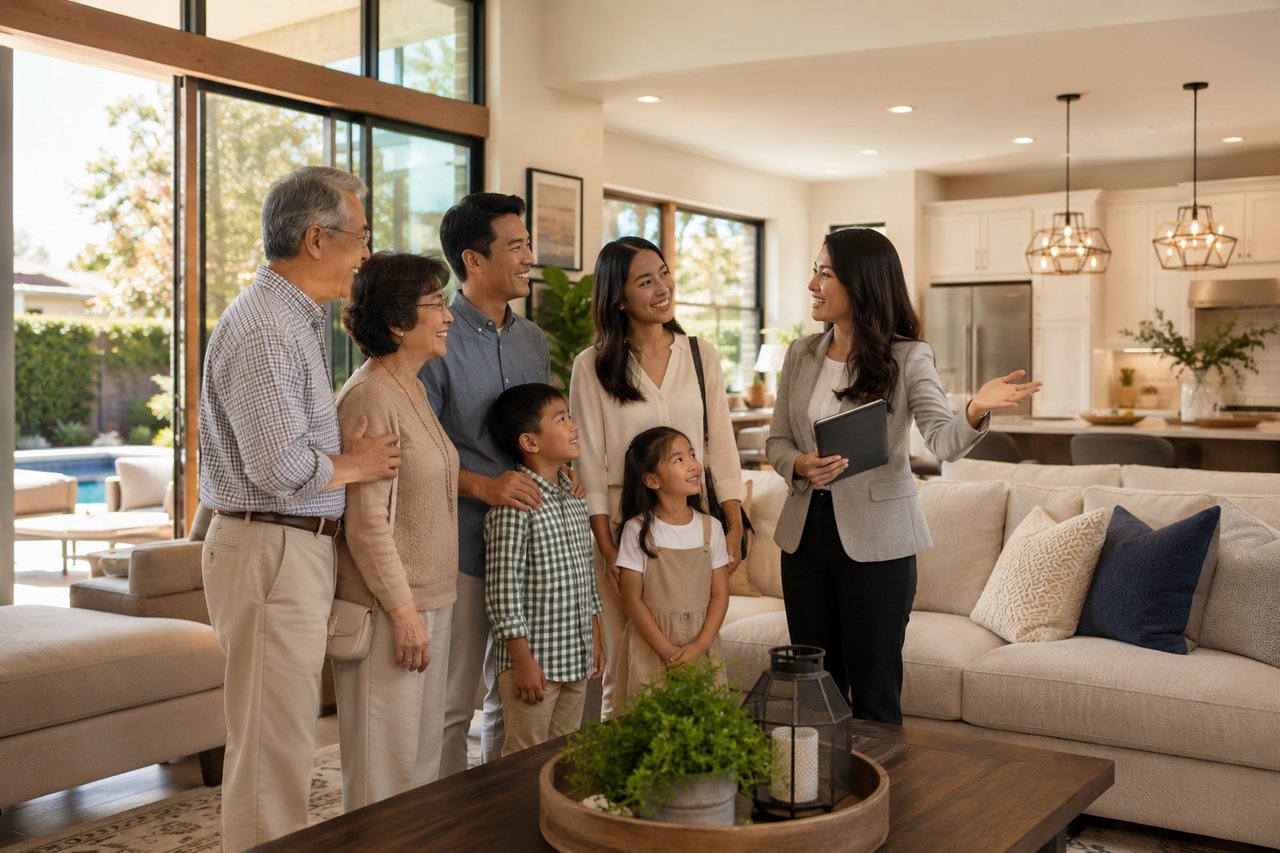
The way people think about homeownership continues to evolve, and one trend becoming increasingly noticeable in 2026 is the growing demand for multi-generational homes.
Across Southern California, more families are intentionally searching for homes that can comfortably accommodate parents, adult children, extended relatives, or long-term guests. What was once considered an uncommon setup is now becoming a practical and appealing lifestyle choice for many households.
For buyers, it is no longer just about square footage or curb appeal. Flexibility, privacy, functionality, and long-term livability are becoming just as important.
What Is Driving the Shift?
Several factors are contributing to the increased interest in multi-generational living.
One major reason is affordability. Sharing a home with family members can help reduce overall living expenses while allowing households to pool resources more efficiently. In higher-cost regions like Southern California, many families are looking for smarter ways to maximize value while still maintaining comfort and independence.
Lifestyle changes are also playing a role. Some families want aging parents nearby for support and convenience, while others are creating space for adult children who are saving for their future or working remotely.
At the same time, buyers are thinking more long-term. Instead of purchasing a home that only fits their current needs, many are searching for properties that can adapt as life changes over time.
Features Buyers Are Prioritizing
Today’s buyers are paying closer attention to layouts that offer both connection and privacy.
Homes with separate guest suites, dual primary bedrooms, private entrances, bonus rooms, and flexible floor plans are becoming especially attractive. Properties with larger lots, detached casitas, or potential ADU space are also gaining attention throughout Southern California.
In communities like Diamond Bar, buyers are increasingly drawn to homes that provide enough space for extended family living while still maintaining comfort and personal privacy.
Functional design matters more than ever. Open-concept common areas combined with quieter private spaces create a balance that works well for modern multi-generational households.
Multi-Generational Living Is Not Just About Necessity
While financial practicality is part of the conversation, many families are also choosing this lifestyle for emotional and cultural reasons.
Being closer to family can create stronger daily connections, provide additional support for children and aging parents, and allow families to spend more meaningful time together.
For some households, it simply creates a better quality of life.
This shift is also influencing how buyers evaluate neighborhoods. Proximity to schools, healthcare, parks, shopping, and freeway access often becomes even more important when multiple generations are living together.
Why This Trend May Continue
As housing needs continue to change, flexibility is likely to remain one of the most valuable features buyers look for in a home.
Properties that can adapt to different stages of life often appeal to a wider range of buyers and may continue to hold strong long-term interest in the market.
Whether it is a growing family, aging parents, remote work needs, or future planning, buyers are increasingly looking beyond the traditional definition of a home.
In 2026, multi-generational living is no longer viewed as a temporary solution. For many families, it has become a thoughtful and intentional lifestyle choice.