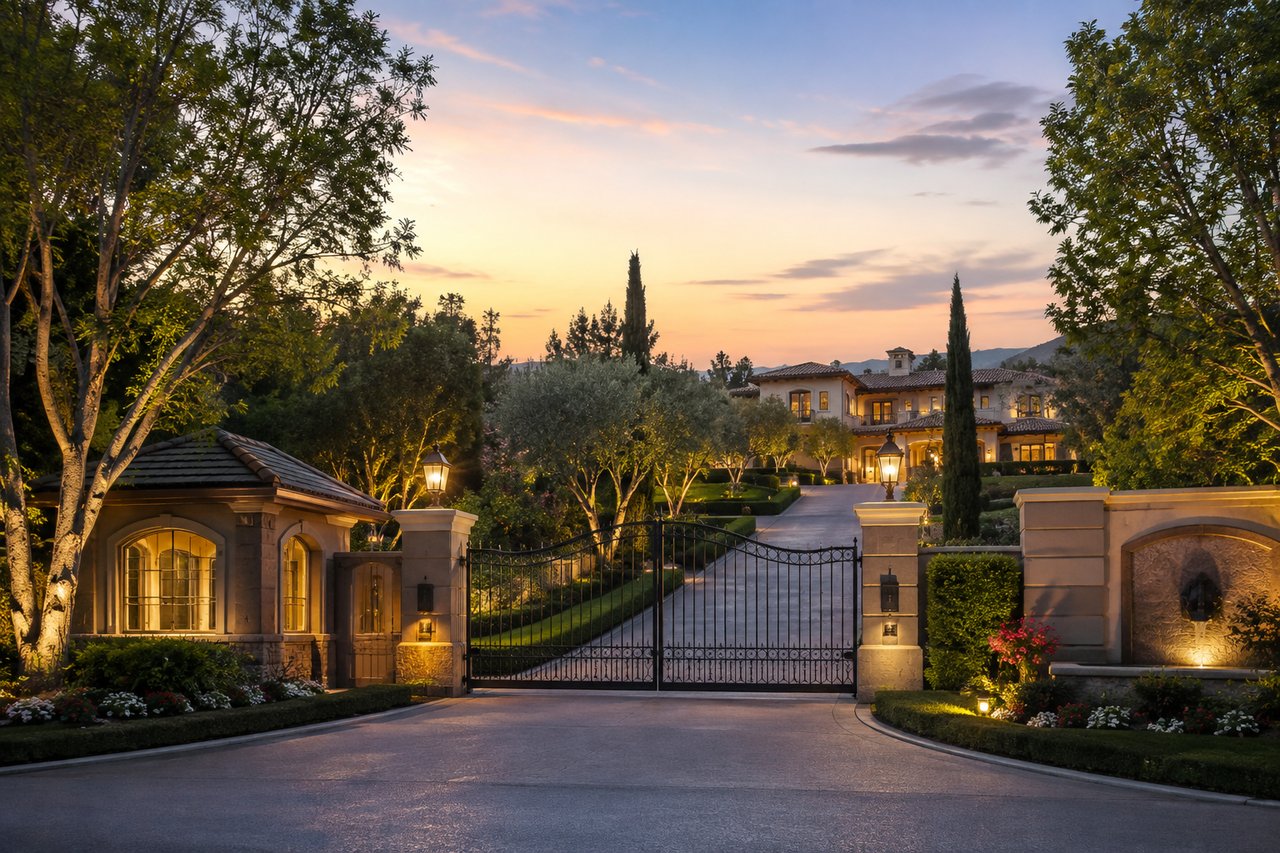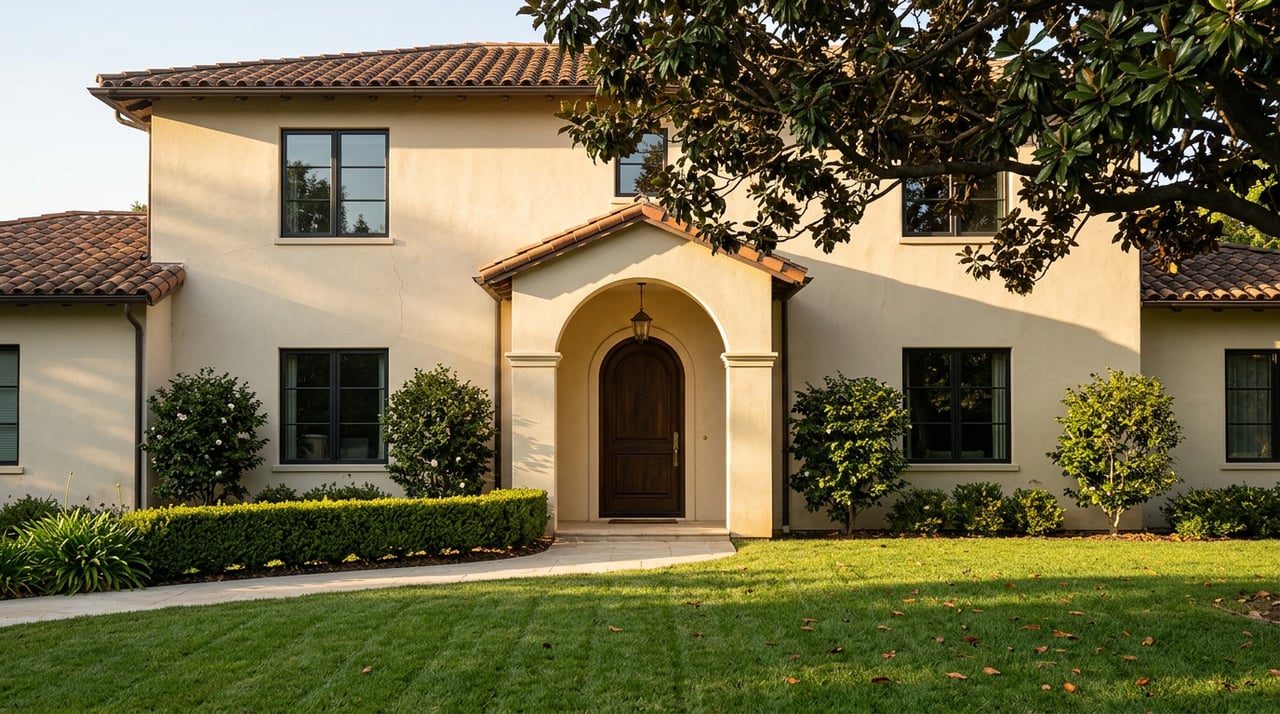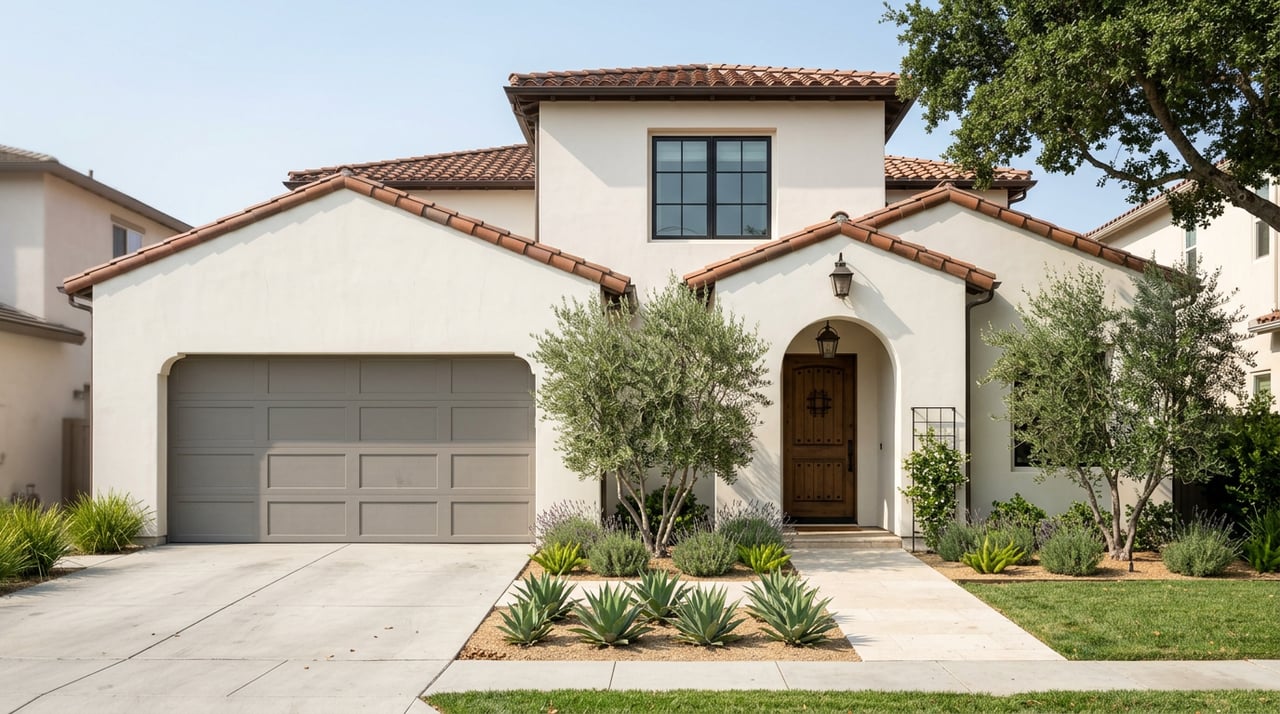
Trying to decide whether a single-family home or a townhome is the smarter investment in Chino Hills? You are not alone. In a higher-priced suburb, the math can feel tight and the trade-offs are not always obvious. In this guide, you will see how prices and rents line up, what ongoing costs to expect, and where each property type tends to shine, backed by current local inputs. Let’s dive in.
Chino Hills at a glance
Chino Hills sits at the high end of Inland Empire pricing, with typical single-family sale prices near the $1.0 million mark as of early 2026. City-level value indexes place most homes in the high $900,000 range. Average asking rents trend in the low $3,000s, with city rent trackers showing a median apartment rent around the upper $2,000s to low $3,000s depending on bedroom count. You can review current rent medians by bedroom type in the Apartment List Chino Hills report.
Local demand reflects a preference for space, neighborhood amenities, and convenience to job centers. City demographics and community resources point to a stable resident base and strong amenity mix that supports long-term housing demand. For context on the area, explore the city’s demographics overview.
Two important investor notes: property taxes in San Bernardino County start with California’s base 1 percent rate, but effective bills are often higher due to overlapping agency rates. Many tracts also include Community Facilities District, or Mello-Roos, special taxes that add to annual carrying costs. The county’s property tax guidance explains how effective rates work across overlapping agencies (San Bernardino County Assessor-Recorder-Clerk), and the city maintains resources on local CFDs and special taxes.
Finally, California’s Tenant Protection Act (AB 1482) caps annual rent increases for most covered properties and sets just-cause rules. This affects underwriting and lease strategy. You can read the statutory language for details on coverage and exemptions in AB 1482.
Single-family vs. townhome: what changes
Entry price and monthly costs
- Single-family homes: Expect pricing near the city median, often around the $1.0 million range depending on location and condition. Monthly ownership costs include everything: full exterior maintenance, yard care, roof, and often higher insurance and reserves.
- Townhomes: Entry prices commonly fall in the mid $500,000s to high $700,000s, which lowers the down payment and total loan amount. You will pay HOA dues, which can range from roughly $200 to $600 or more per month, covering portions of exterior maintenance, amenities, and sometimes utilities. Always confirm what the HOA fee includes.
Rent potential and tenant profile
- Single-family rentals typically command higher rents for larger floor plans and private yards. In many Chino Hills submarkets, 3-bedroom homes often ask in the low to mid $3,000s, with variation by zip and finishes. These homes tend to attract longer-term renters who value space and privacy.
- Townhomes often rent at or slightly above apartment levels for similar bedroom counts. Two-bedroom units commonly list near the high $2,000s to low $3,000s, and well-upgraded 3-bedroom townhomes can approach single-family rent levels. Always pull recent, like-kind comps in the same tract.
Maintenance, HOA, and assessments
- Single-family homes put you fully in control of exterior maintenance. That means you can schedule and budget repairs, but you also carry the full cost of roofs, landscapes, and driveways.
- Townhomes shift exterior work to the HOA, which can lower hands-on maintenance but introduces HOA fee risk and potential special assessments. Study the HOA’s budget, reserves, and meeting minutes to gauge future projects and fee stability. This HOA document review guide explains why a thorough review matters.
- Both property types can sit inside a CFD that adds special taxes to your bill. Verify parcel-level status early using city resources on Community Facilities Districts and factor those taxes into your monthly pro forma.
Financing and resale flexibility
- Single-family homes are generally easier to finance for investors, with a broad buyer pool at resale.
- Townhomes and condos can face added lender scrutiny tied to the HOA’s financial health, owner-occupancy ratios, delinquencies, and insurance coverage. If you plan to resell to an owner-occupant who might use FHA or other agency loans, check project approval rules early. Start with HUD’s condominium project approval guidance.
Regulation and rent caps
- AB 1482 sets rent caps for most covered properties and requires just-cause for termination. Some single-family homes may be exempt if statutory conditions and notice requirements are met, but exemptions must be verified and documented. Read the statute to understand exceptions and notice language in AB 1482.
Two quick math examples
The numbers below are illustrative snapshots as of early 2026. Mortgage rates use a 30-year fixed assumption aligned with recent averages from Freddie Mac’s PMMS. Rents reflect city-level trackers and active listing ranges; confirm exact comps in your target tract using current listings and the Apartment List Chino Hills rent report.
Example A: Single-family at the city median
- Purchase price: $1,000,000
- Down payment and loan: 25 percent down ($250,000); loan $750,000 at 6.0 percent fixed
- Estimated rent: $3,500 per month; gross $42,000 per year
- Vacancy and management: 5 percent vacancy; 8 percent management fee
- Annual expenses: property tax about 1.1 percent of price (~$11,000), insurance ~$2,000, maintenance/reserves ~$10,000, management ~$3,360, miscellaneous capex ~$1,500
Result: Effective NOI of about $12,040, or an implied cap rate near 1.2 percent. Annual principal and interest at these assumptions is roughly $53,964, for negative annual cash flow around $41,900. The takeaway is simple: at market pricing and typical down payments, many single-family rentals in Chino Hills do not cash flow without a larger equity cushion, a below-market purchase, or a unique rent premium.
Example B: Townhome at a representative price point
- Purchase price: $610,000
- Down payment and loan: 25 percent down ($152,500); loan $457,500 at 6.0 percent fixed
- Estimated rent: $2,900 per month; gross $34,800 per year
- HOA dues: ~$400 per month ($4,800 per year)
- Annual expenses: property tax about 1.1 percent (
$6,710), insurance ~$1,200, maintenance/reserves ~$3,050, management 8 percent ($2,784)
Result: Effective NOI of about $13,516, or an implied cap rate near 2.2 percent. Annual principal and interest at these assumptions is roughly $32,928, for negative annual cash flow around $19,400. While the lower entry price helps, HOA dues and assessment risk can quickly change your net.
Bottom line: With current prices and rates, both options tend to underwrite to low cap rates at market purchase prices. Investors focused on immediate positive cash flow often need a discounted buy, a higher down payment, lower-cost financing, or a value-add plan.
Which fits your goal?
- Goal: positive cash flow now
- Look for below-market opportunities, consider 2 to 4 units where per-door economics can improve, or be ready with a larger down payment. A discounted townhome can pencil if HOA dues are modest and reserves are healthy.
- Goal: lower-effort ownership
- A townhome can reduce exterior maintenance since the HOA handles common areas. Review the reserve study and meeting minutes to avoid surprise assessments. A well-run association can make operations smoother.
- Goal: long-term hold with appreciation potential
- Chino Hills’ amenity profile and limited inventory support a long view. A single-family home can capture a wider future buyer pool, which can help at exit. Keep near-term appreciation assumptions conservative.
- Goal: financing and resale flexibility
- Single-family homes typically offer the broadest financing options and buyer audience. If you prefer a townhome, confirm condo-project financing criteria early so you are not surprised at resale.
Due diligence checklist
Use this list to tighten your underwriting before you write an offer.
- Rent comps and sales comps
- Pull three recent rentals and three recent sales for the same product type in the same subdivision. Cross-check active asks with signed lease data when available. For a quick directional view, consult the Apartment List Chino Hills rent report, then verify with on-the-ground comps.
- HOA health for townhomes/condos
- Order the full resale packet: CC&Rs, latest budget, reserve study, insurance summary, delinquency report, and the last 12 months of board minutes. Watch for rental caps, short-term rental rules, investor ratio limits, and upcoming projects. See this guide on why quick HOA reviews miss risk.
- Mello-Roos and special taxes
- Confirm whether the parcel is in a CFD, the current special tax amount, and any scheduled changes. Start with the city’s page on Community Facilities Districts and special taxes, and include the figure in your monthly pro forma.
- Property tax assumptions
- Model the base 1 percent plus overlapping levies typical for San Bernardino County. The county’s explainer on effective rates is here: San Bernardino County property tax FAQ.
- Financing and project approvals
- If you might sell to an owner-occupant later, check whether the condo or townhome project can support FHA or agency-backed loans. Review HUD’s condominium project approval rules and ask your lender for a project review up front.
- Rent caps and notices
- Determine whether the rental is covered by AB 1482 and provide the required notices in your lease if applicable. Read the statute for coverage and exemptions here: AB 1482.
- Rate and leverage sensitivity
- Model your deal at multiple rates and down payments. Use recent averages from Freddie Mac’s PMMS as a starting point and test best, base, and worst cases.
Action plan for the next 30 days
Define your target product. Choose either 3-bedroom single-family homes with standard lots or 2 to 3-bedroom townhomes in well-managed associations. Keep your search criteria tight so your comps are clean.
Build a comp set. Pull three like-kind rentals and three sales in your exact tract. Cross-verify rents with the Apartment List Chino Hills rent data, then refine with active listings and recent leases.
Underwrite three properties. Model each at 25 and 40 percent down, and at two mortgage rates. Include a capex line and, for townhomes, the HOA dues plus a contingency for potential assessments.
Pre-screen HOA and tax items. For any townhome you like, request the resale packet early and read the reserve study and minutes. For all properties, confirm parcel-level CFD status and effective property tax assumptions.
Decide your threshold to act. Set a walk-away price, a minimum cap rate or cash-on-cash target, and a clear plan to improve rent or reduce carry costs within year one.
Final thoughts
In Chino Hills, both single-family homes and townhomes can be strong long-term holds, but they excel for different reasons. Single-family properties offer control, broader financing and resale flexibility, and potential appeal to future buyers. Townhomes lower your entry price and offload some exterior work, but HOA health and special assessments deserve close attention. If you underwrite against realistic rents, verify taxes and fees, and stay disciplined on price, you can position your investment for durable returns.
If you want local, data-informed guidance and access to private or off-market options, we are here to help. Schedule a Free Consultation with Country Queen Real Estate to compare live opportunities, refine your underwriting, and move forward with confidence.
FAQs
What should I know about AB 1482 rent caps in Chino Hills?
- California’s Tenant Protection Act caps annual rent increases for most covered units and sets just-cause rules; review coverage and exemptions in the statute and include required notices if applicable, using the text of AB 1482.
How do Mello-Roos special taxes affect my return in Chino Hills?
- Mello-Roos adds a separate annual special tax on top of base property taxes; confirm parcel-level CFD status and amounts using the city’s CFD resources and include it in your monthly pro forma.
Are townhomes harder to finance than single-family homes?
- Townhome and condo loans can face project-level reviews tied to HOA reserves, occupancy ratios, delinquencies, and insurance; check HUD condo project guidance and ask your lender for a project review before you write an offer.
What HOA documents should I review before buying a rental?
- Request the full resale packet: CC&Rs, budget, reserve study, insurance, delinquencies, and 12 months of board minutes; use this HOA review guide to avoid missing red flags like thin reserves or pending litigation.
What is the effective property tax rate for San Bernardino County homes?
- California’s base is 1 percent of assessed value, but overlapping levies raise the effective rate; see the county’s explainer on how effective property taxes are applied and add any local special taxes to your model.