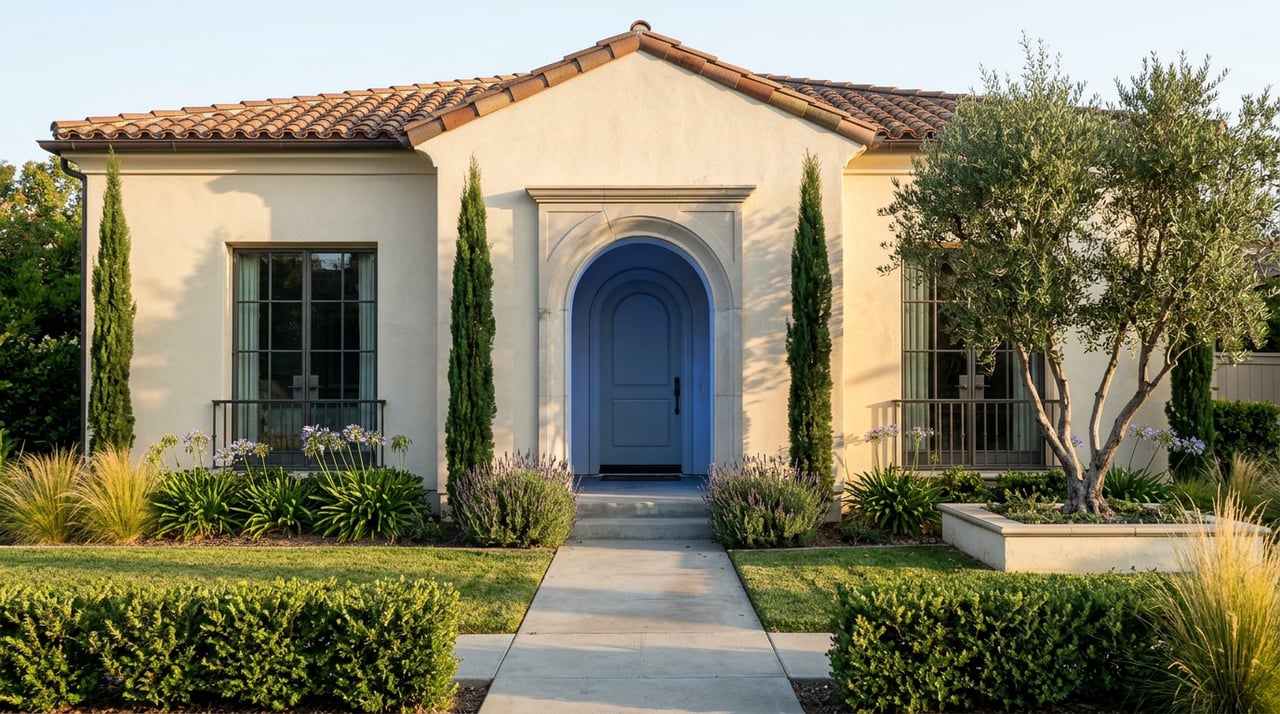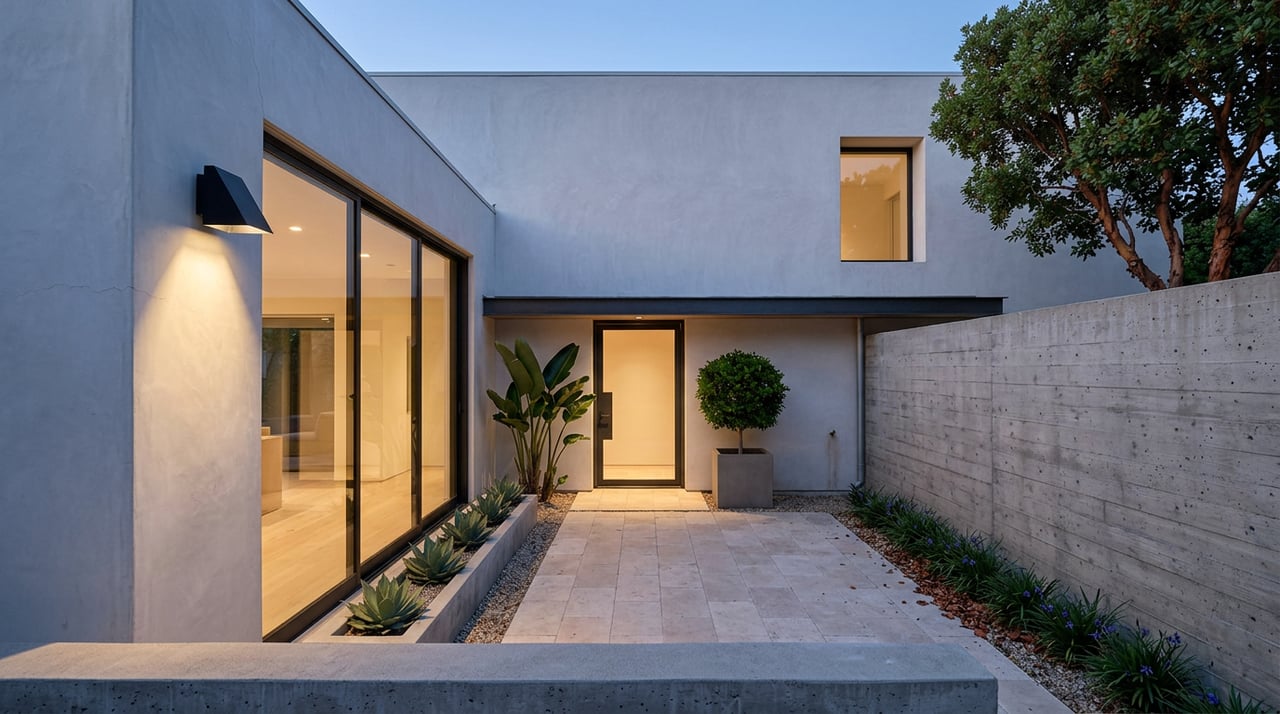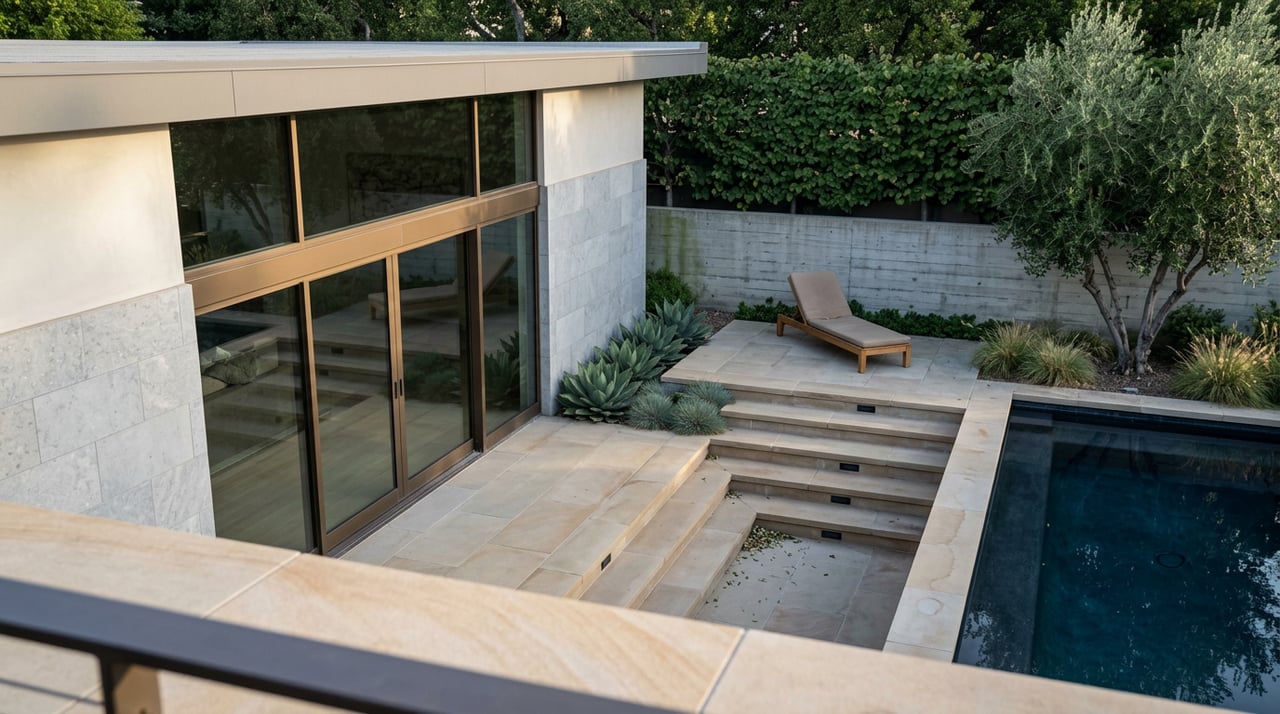
If you picture weekend walks to the beach, ocean-view dinners, and a lock-and-leave coastal escape, Corona del Mar may be at the top of your list. Buying a second home here is exciting, but it also comes with rules, costs, and coastal details that are different from a typical purchase. In this guide, you’ll learn the essentials on short-term rental permits, HOA limits, coastal permitting, financing, taxes, and insurance so you can plan with confidence. Let’s dive in.
Why Corona del Mar works
Corona del Mar is a seaside neighborhood in the City of Newport Beach with a walkable Village, bluff and oceanfront homes, and pockets near the harbor. The Village offers easy access to cafes, shops, and the beach. Bluff and oceanfront properties trade at a premium for views and location, and they can carry extra coastal permitting and hazard considerations. It is a high-value market where many single-family homes sell in the multi-million dollar range, so planning your financing early is key.
Short-term rentals: rules to know
Newport Beach STR program at a glance
If you plan to offset carrying costs with short stays, understand Newport Beach’s short-term lodging program before you write an offer. The City:
- Requires a Short-Term Lodging permit and business license for stays under 30 days, and enforces a citywide cap of 1,550 active permits with a waitlist when the cap is reached. You can review requirements and the City’s overview on the short-term rentals page at the City site. Check the City’s STR rules and address lookup.
- Charges a 10% Transient Occupancy Tax on short stays that must be collected and remitted by the host or platform when directed by ordinance. See the City’s summarized requirements.
- Enforces permit conditions that include a 24-hour local contact who lives within 25 miles and can respond within 30 minutes, a minimum stay of two consecutive nights, minimum renter age, posting of permit and Good Neighbor policy inside the unit, vehicle and parking rules, and no amplified outdoor sound from 10 p.m. to 10 a.m. Review the official permit conditions for details. Read the permit conditions PDF.
- Limits permit transfers at sale. Do not assume a permit will transfer. Confirm the property’s status and any transfer timeline with the City early.
Bottom line: an existing permit is a real asset, yet it may not transfer. If a home does not have a permit and the cap is reached, you may not be able to legally operate a short-term rental.
Platform reporting is increasing
California’s SB 346 allows local agencies to require booking platforms to report listing details and display local license and tax credentials. Expect stronger verification and enforcement in cities that adopt local rules using this authority. Review SB 346 on LegiScan.
HOA and CC&R limits still apply
Even if the City allows STRs, your HOA may not. Under the Davis-Stirling Act as amended by AB 3182, associations can prohibit rentals of 30 days or less and may cap longer-term rentals, though most cannot set rental caps below 25% for condos and planned developments. Always review CC&Rs, rental policies, and estoppel letters during due diligence. Read AB 3182’s summary on LegiScan.
Coastal permits and bluff factors
Much of Corona del Mar is inside California’s coastal zone. Larger remodels, bluff-edge work, shoreline protection, and some new construction often require a Coastal Development Permit, with review under the City’s Local Coastal Program and possible California Coastal Commission appeal. Projects near bluffs or the shore typically require geotechnical studies and analysis of sea-level rise and hazards, which adds time and soft costs. The Coastal Commission’s updated Sea Level Rise guidance sets expectations for addressing future risk in permit applications. If you are considering a bluff-top or oceanfront property, plan for early geotechnical due diligence and consultations. See the Commission’s Sea Level Rise guidance.
Financing a second home in CdM
Conforming vs jumbo in 2026
The 2026 baseline conforming loan limit for a one-unit home is 832,750, and high-cost county ceilings increased as well. Many Corona del Mar purchases will exceed conforming limits and require high-balance conforming or jumbo financing. Confirm Orange County’s current high-cost limit and where your target loan amount falls, since underwriting and pricing differ. See Freddie Mac’s 2026 loan limit values. For a local lens on jumbo thresholds in Orange County, review market commentary and verify with your lender. Read an overview of 2026 jumbo context in OC.
Second-home underwriting basics
Conventional second-home loans can allow lower down payments than many expect. Some conforming programs permit about 10% down for a qualifying second home, but requirements vary by lender, credit profile, reserves, and loan size. Jumbo financing often calls for 15% to 25% down or more. Get a second-home pre-approval that matches your target price so your offer reflects real financing strength. Learn more about conventional program structures.
International buyers can access financing, yet documentation and down payment requirements are commonly stricter. Start with a lender that specializes in foreign-national loans and plan additional time for verifications.
Ownership and title choices
High-net-worth buyers often use revocable trusts for privacy and estate planning, and some use LLCs for liability separation. Title choices can affect underwriting, insurance, and tax treatment. Coordinate early with your lender and qualified legal and tax advisors so your ownership structure aligns with financing and long-term goals.
Ongoing costs to budget
- Property taxes. California’s Proposition 13 anchors the base rate at about 1% of assessed value, but total bills typically exceed 1% because of voter-approved bonds and special assessments. Pull the current tax bill and Tax Rate Book for the parcel to confirm any extra charges. Use the Orange County Treasurer-Tax Collector resources.
- Insurance. If a property lies in a FEMA Special Flood Hazard Area, flood insurance is often required by lenders. Premiums can be higher on exposed coastal parcels. Also budget for earthquake coverage through California programs and review any coastal hazard exclusions. Get quotes early. See guidance on lender flood requirements.
- Transfer taxes and fees. City and county transfer taxes vary. Confirm obligations on the preliminary title report and purchase contract so you know who pays what at closing.
Due diligence roadmap
Use this focused checklist to protect your plan and timeline.
Pre-offer and offer stage
- Verify short-term rental status at the address and review the City’s permit cap and waitlist. Start with the City’s STR overview and lookup.
- Obtain HOA CC&Rs and any rental policy addenda. Confirm whether transient rentals are prohibited and whether longer-term rentals are capped. Review the AB 3182 framework.
- Ask for records of any Coastal Development Permits, conditions, or recorded coastal easements.
- Pull the current property tax bill and tax rate area to identify special assessments or Mello-Roos. Check the county tax resources.
- Order a preliminary title report to surface any recorded notices or conditions.
During escrow
- For bluff or oceanfront properties, commission or review recent geotechnical and coastal hazard reports. Confirm scope, timeline, and cost for any stabilization or permitting tasks.
- Confirm insurability with homeowner, flood, and earthquake quotes. If the parcel is in an SFHA, verify NFIP or private flood availability and lender requirements. Review lender flood basics.
- Lock financing that fits your loan amount category. Verify whether your loan is conforming, high-balance conforming, or jumbo, and document reserves and terms appropriate for a second home. See the 2026 loan limit overview.
- If short-term income supports your plan, request proof of permit status, historical occupancy, TOT remittance, and guest records to evaluate compliance and sustainability. Reference the City’s permit conditions.
Post-close operations for STR hosts
- Maintain the required local contact, post the Good Neighbor policy and permit information, collect and remit TOT, follow parking and noise rules, and keep records for audits. The City can suspend or revoke permits for violations. Review the operating conditions.
Where to focus your home search
- Village streets. Walkable location near shops and the beach. Great for personal use with easy daily living. Verify any HOA or shared-lot rules on parking and leasing if applicable.
- Bluff and oceanfront. Signature views and premium pricing. Expect coastal permitting sensitivity, hazard analysis, and careful insurance review.
- Near-harbor pockets and small multiunit streets. Mix of property types and potential for varied use. Confirm zoning, HOA constraints, and STR eligibility early.
How we help you buy smarter
A Corona del Mar second home is both a lifestyle upgrade and a significant investment. You deserve clear, data-informed guidance on rules, risks, and opportunities. With boutique, high-touch representation, multilingual service, and access to curated opportunities, our team helps you:
- Align your use case with the right property type and location.
- Verify STR feasibility, HOA limitations, and coastal permitting pathways early.
- Structure financing that fits conforming or jumbo thresholds for second homes.
- Coordinate with trusted lenders, attorneys, and coastal consultants as needed.
Ready to explore off-market options or refine your plan with a private consult? Schedule a Free Consultation with Country Queen Real Estate.
FAQs
Can I Airbnb my second home in Corona del Mar?
- The City of Newport Beach requires a Short-Term Lodging permit and business license for stays under 30 days, enforces a 1,550-permit cap with a waitlist, and collects a 10% TOT. A two-night minimum stay and other operating rules apply. Always confirm address-specific status and any transfer limits. Review the City’s STR program.
What down payment is typical for a CdM second home?
- Some conforming second-home programs allow about 10% down, but lender requirements vary by credit, reserves, and loan size. Many jumbo loans require 15% to 25% or more. Confirm Orange County loan limits and get a second-home pre-approval. See 2026 loan limits.
Do I need a Coastal Development Permit to remodel in CdM?
- Many larger remodels, bluff-edge work, shoreline protection, and some new construction within the coastal zone require a Coastal Development Permit and hazard analysis. Expect review under the Local Coastal Program and potential Coastal Commission oversight, especially near bluffs or public access. Read Sea Level Rise guidance.
How will California’s Prop 13 affect taxes on a second home?
- The base property tax rate is about 1% of assessed value, but total bills typically exceed 1% due to bonds and special assessments. Pull the parcel’s current bill and tax rate area to verify all charges. Use the county tax resources.
What insurance should I plan for on a bluff or beachfront home?
- Lenders often require flood insurance if the property is in a FEMA Special Flood Hazard Area. Coastal homes can have higher premiums and stricter underwriting. Also budget for earthquake coverage and review any coastal hazard exclusions. Get quotes early. See flood requirement basics.