Look Beyond What You See First
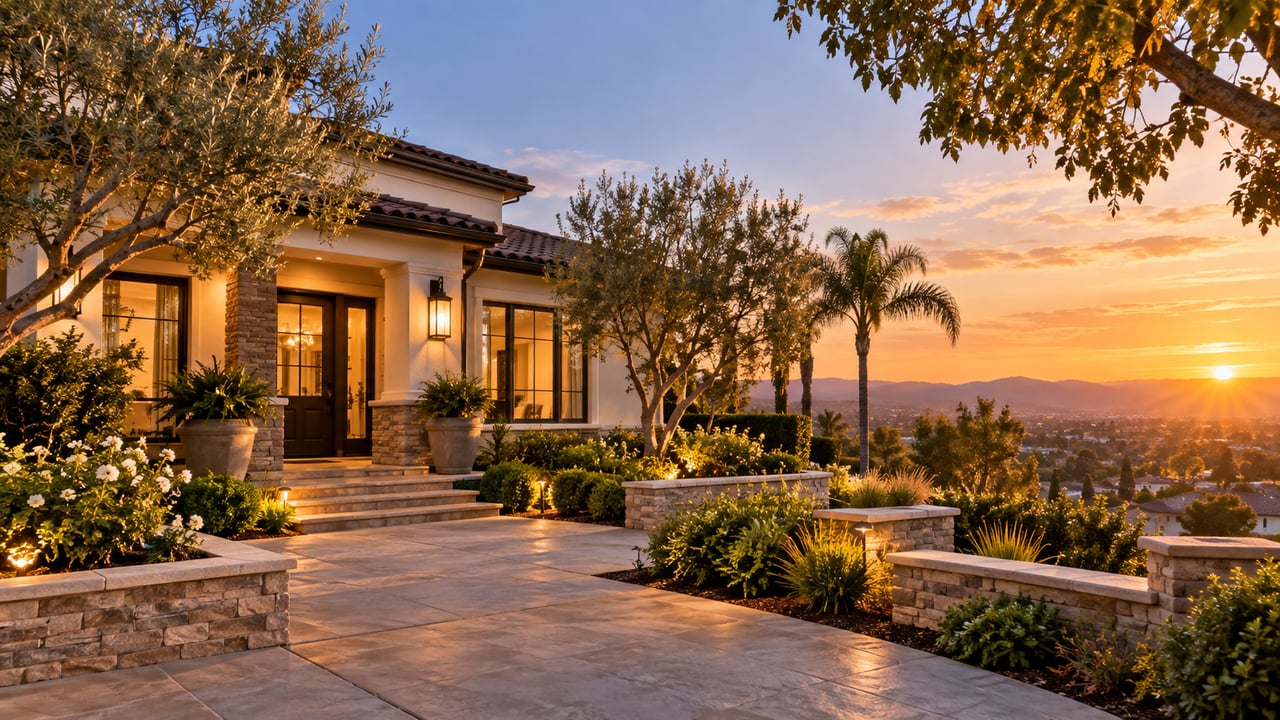
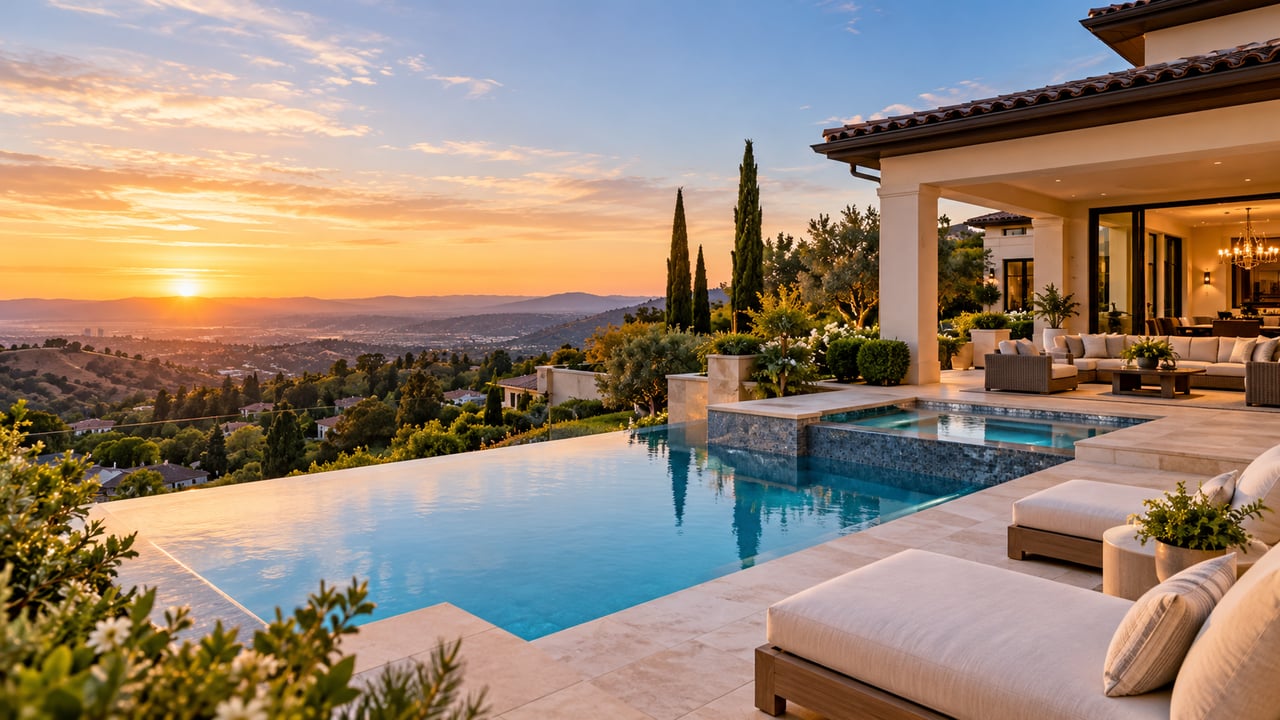
Touring a luxury home in Southern California can be an experience in itself. Dramatic entryways, expansive kitchens, resort-style outdoor spaces, custom finishes, and panoramic views naturally attract attention.
However, buying at the luxury level calls for a closer examination of how the property actually functions, how it has been maintained, and what ownership may involve over time.
Two homes may appear equally impressive in listing photos while offering very different ownership experiences. The difference can come down to factors that are easy to overlook during an initial tour: how the home sits on its lot, how private its outdoor areas actually feel, the condition and complexity of its systems, and the quality of previous renovations.
Here are several details worth examining before making a decision on a luxury home in Southern California.
1. Lot Positioning Can Matter as Much as Lot Size
A large lot is appealing, but acreage or square footage alone does not tell you how usable, private, or functional the property will be.
Consider how the residence is positioned within the lot. A thoughtfully positioned home may provide better separation from neighboring properties, more usable outdoor space, stronger views, or a better relationship between indoor and outdoor living areas.
Topography is another consideration, particularly in Southern California communities where luxury homes are built on hillsides, slopes, or elevated lots. Buyers may want to understand which areas of the property are usable, how outdoor spaces are accessed, and whether retaining walls, drainage features, slopes, or extensive landscaping are part of the property.
The goal is to understand not simply how much land comes with the home, but how that land contributes to everyday use and long-term ownership.
2. Evaluate Privacy From Multiple Areas of the Property
Privacy is often an important consideration in luxury real estate, but it can be difficult to judge from photographs or even from one walkthrough.
A property may feel secluded from the street while having direct sightlines to neighboring homes from the backyard. An elevated residence may enjoy spectacular views while also being more visible from surrounding properties.
Walk through the primary bedroom, balconies, pool area, outdoor entertaining spaces, and other frequently used areas while paying attention to surrounding sightlines.
Existing landscaping, walls, gates, setbacks, neighboring elevations, and the home's orientation can all affect privacy. It is also worth considering whether that privacy depends heavily on landscaping that will require ongoing maintenance.
3. Understand the Home's Major Systems
Luxury properties can have more complex systems than a typical residence. Multiple HVAC zones, sophisticated lighting controls, smart-home technology, security systems, pool and spa equipment, elevators, gates, water features, outdoor kitchens, specialized appliances, and extensive irrigation may all be part of the property.
These features can add convenience and enjoyment, but buyers should understand their age, condition, service history, and ongoing maintenance requirements.
During the inspection and due diligence process, consider the major components individually rather than treating the home as a single system. A beautifully maintained interior does not automatically mean every mechanical or exterior component has received the same level of attention.
Understanding what operates behind the walls and throughout the property can be just as important as evaluating the finishes you can see.
4. Look Closely at the Quality of Renovations
An updated home and a well-renovated home are not necessarily the same thing.
When a property has undergone significant remodeling, buyers may want to look beyond whether the finishes are current and consider the quality and scope of the work. Were improvements primarily cosmetic, or were underlying systems updated as well? Do materials and workmanship appear consistent throughout the property? Do additions or modifications feel integrated with the original architecture?
Where appropriate, buyers can also review available documentation relating to significant improvements and discuss questions about permits or construction history with the relevant professionals and local authorities.
In a luxury property, renovation quality can affect more than appearance. It may influence functionality, maintenance, and the amount of additional work a future owner chooses to undertake.
5. Consider Maintenance at the Scale of the Property
More square footage and amenities can also mean more components to maintain.
A large luxury residence may include extensive landscaping, multiple HVAC systems, a pool and spa, fountains, gates, balconies, exterior lighting, specialty windows and doors, multiple fireplaces, outdoor living areas, and other features requiring periodic servicing.
Rather than viewing each amenity individually, consider the property's overall maintenance profile.
Ask what needs regular professional service, what components may eventually require replacement, and whether specialized vendors or technicians are typically involved. Available service records can also provide useful context about how major systems and amenities have been maintained.
The question is not whether a property requires maintenance. Every home does. The more useful question is whether the expected level of upkeep fits the ownership experience you want.
6. Pay Attention to How the Home Functions Day to Day
Luxury homes often make a strong impression when entertaining, but everyday functionality deserves equal attention.
Consider the route from the garage to the kitchen, the location of laundry areas, bedroom placement, storage, pantry capacity, guest accommodations, service areas, and the relationship between formal and informal living spaces.
If the home has multiple levels, think about how frequently you would move between them. If there is an elevator, understand which floors it serves and how it fits into the overall layout.
For buyers who entertain frequently, the relationship between the kitchen, dining spaces, outdoor areas, and guest parking may be especially relevant. For others, privacy between bedroom suites or the availability of flexible rooms may matter more.
A successful layout is ultimately one that supports the way you expect to use the property.
7. Think About Southern California's Indoor-Outdoor Lifestyle
Outdoor living is a significant part of many Southern California luxury properties, which makes exterior spaces worth evaluating with the same care as the interior.
Consider sun exposure at different times of day, shaded areas, wind exposure, the orientation of pools and patios, and how easily outdoor spaces connect to the home's main living areas.
Views also deserve closer consideration. Determine which rooms actually benefit from them and whether existing trees, landscaping, nearby properties, or future changes outside the property could affect the experience.
A spectacular backyard is most valuable when it works for how you intend to use it, whether that means entertaining, dining outdoors, relaxing by the pool, or simply enjoying greater separation from neighboring properties.
8. Understand Community and Property-Specific Responsibilities
Some Southern California luxury homes are located within gated or managed communities, while others are independent estates.
When applicable, buyers should review current HOA documents, fees, community rules, architectural requirements, and any restrictions relevant to future plans for the property. A buyer considering an addition, exterior renovation, major landscaping project, or other modification may have different questions than someone planning to keep the property largely as it is.
For larger estates, there may also be property-specific considerations involving gates, private driveways, slopes, extensive grounds, or specialized infrastructure.
Understanding these responsibilities before purchasing can provide a clearer picture of what ownership will involve beyond the home itself.
9. Consider Future Plans Before You Buy
A luxury property should be evaluated not only for what it offers today, but also for how well it aligns with your longer-term plans.
If you expect to remodel, expand outdoor amenities, reconfigure rooms, add technology, or make significant landscaping changes, consider those plans during your evaluation rather than after closing.
Not every property will accommodate changes in the same way. Lot configuration, existing architecture, community requirements, and local regulations can all influence what may be possible. Appropriate professionals and local authorities can help buyers evaluate specific plans before relying on them.
Thinking ahead can help distinguish between a property that simply looks impressive and one that genuinely fits your vision for ownership.
Luxury Is Also About How a Property Performs
The details that make a luxury home impressive are often immediately visible. The details that make it a good fit for a particular buyer may take more time to uncover.
Lot positioning, privacy, systems, maintenance, renovation quality, functionality, and long-term ownership considerations all contribute to the complete picture of a property.
For buyers exploring luxury homes in Southern California, taking the time to evaluate these less visible factors can bring greater clarity to the decision-making process. A knowledgeable real estate professional, along with qualified inspectors and other appropriate specialists, can also help buyers investigate property-specific questions and better understand what they are purchasing.
Country Queen Real Estate works with buyers throughout Southern California to navigate luxury properties with attention to both the details that immediately stand out and those that deserve a closer look.
Visit https://countryqueen.com to learn more.